How to Photograph Mountain Gorillas Respectfully and Avoid the Unflattering 'Ugly Gorilla' Shot
Discover how to photograph mountain gorillas respectfully on a gorilla trekking Rwanda adventure, from the camera settings that survive a dark rainforest to the angle choices that prevent the flat, open-mouthed frame the internet loves. Explore Rwanda safari packages, gorilla safaris Rwanda, and luxury Rwanda safaris built around the hour itself, and learn why the ugliest gorilla photographs are almost always made in a hurry.
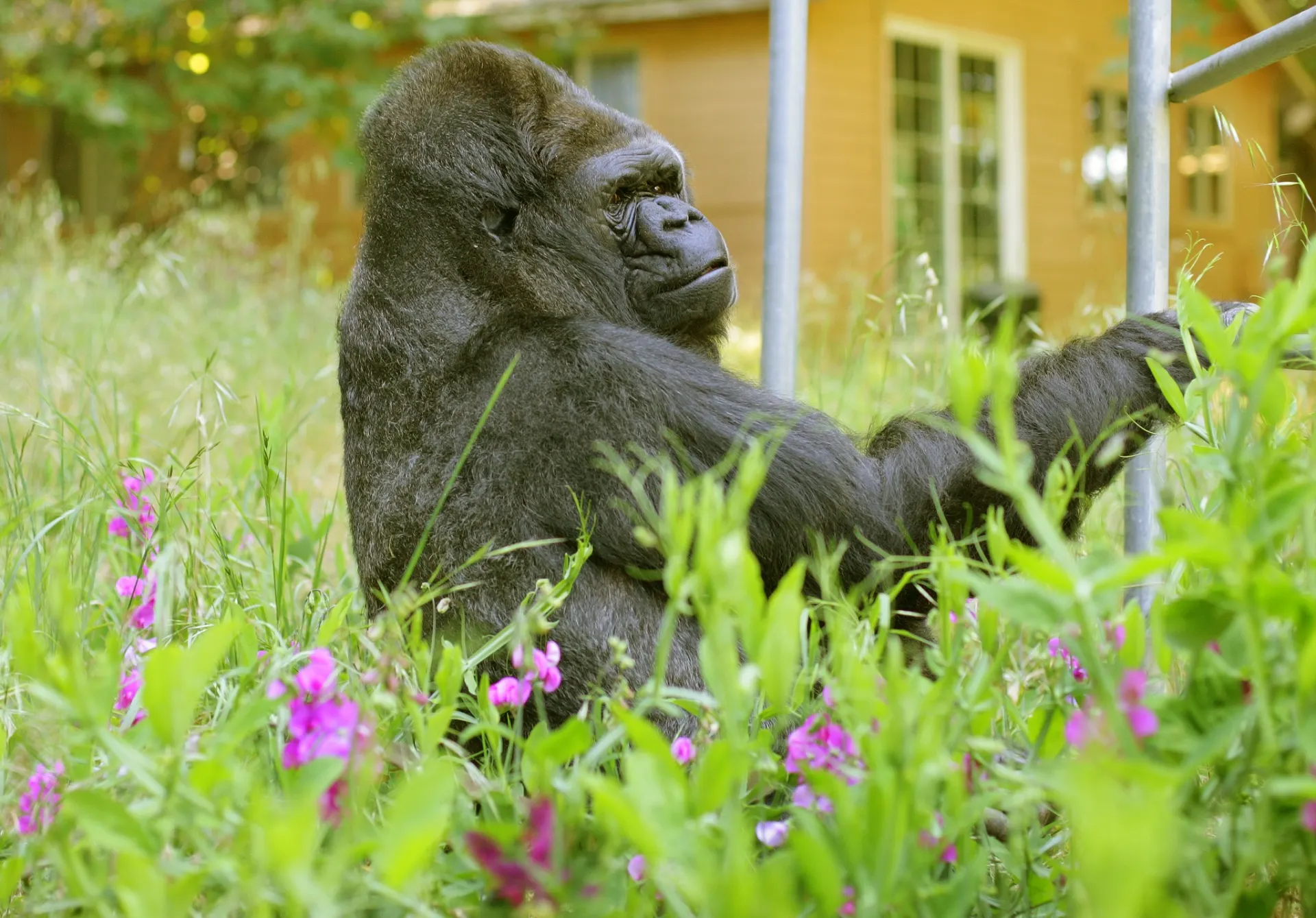
The "ugly gorilla" shot has a recipe. Shoot from above at seven metres, in flat overcast light, with the subject mid-chew, using a slow shutter that softens the eyes, and crop tight on the mouth. That combination produces the image that circulates as a joke. Every element of it is avoidable. A mountain gorilla face photographed at eye level, in diffused canopy light, with sharp eyes and a little habitat in the frame reads as an individual rather than a caricature. Photographers who plan around the constraints of gorilla trekking Rwanda come home with portraits that change how people read the species. This guide sets out how to be one of them.
Popular Rwanda Safari Packages
8 Day Best Gorilla Trekking Safaris in Volcanoes National Park
7 Day Classic Gorilla Trekking in Volcanoes on Rwanda Safaris Tours
10 Day Luxury Gorilla Trekking and Nyungwe Forest National Park
6 Day Premium Gorilla Trekking Safaris in Volcanoes and Nyungwe Forest National Park
9 Day Gorilla Trekking in Volcanoes and Nyungwe Forest National Park Safaris
How to Photograph Mountain Gorillas Respectfully and Avoid the Unflattering 'Ugly Gorilla' Shot
Understand the Rules Before You Photograph Mountain Gorillas Respectfully
Respectful photography in gorilla trekking Rwanda begins with rules that are not negotiable and exist for conservation rather than inconvenience. A minimum distance of seven metres from the gorillas is required at all times, and flash photography is prohibited because it can startle the animals. If a gorilla approaches you, stay still and let guides manage the situation rather than moving toward the animal. Voices stay low and movements controlled. Mountain gorillas share up to 98 percent of human DNA, which makes disease transmission a genuine risk, and travellers who are unwell are not permitted to trek. The gorilla trekking permit Rwanda funds the enforcement of these rules.
Set Your Camera Before You Photograph Mountain Gorillas Respectfully
The worst place to learn your settings is under a dark canopy with sixty minutes on the clock. Configure everything the night before and test it in low light. Photographers working in Volcanoes National Park typically shoot between ISO 1600 and 6400, with a fast zoom in the 24 to 70 or 70 to 200 range and an aperture around f/2.8. Shutter speeds below 1/125 rarely hold because gorillas move more than still images suggest, and 1/250 or faster is a safer baseline. Dial in exposure compensation of -1 to -2 to protect highlights in dark fur, and switch autofocus to continuous with eye detection where available. On Rwanda safari packages, confirm whether your guide is briefed on photographic priorities.
Choose the Right Lens to Photograph Mountain Gorillas Respectfully
Lens choice on gorilla safaris Rwanda is settled among practitioners. A 70 to 200mm f/2.8 is the consensus pick, because the seven-metre distance rule makes long telephoto lenses redundant while the fast aperture is what keeps images sharp in forest shade. A 24 to 70mm f/2.8 adds context when a juvenile climbs directly overhead or a family groups together. A 400mm or 500mm becomes unusable at close range. Bring two bodies if you can, because switching lenses in humid, muddy conditions risks both the gear and the moment.
Manage Forest Light to Photograph Mountain Gorillas Respectfully
Light in Volcanoes National Park is dim and heavily contrasted, with bright sky gaps punching through dark understorey. The rainforest canopy can block out 80 percent of available light even at midday. The single ugliest gorilla photographs come from exposing for the overall scene and accepting the gorilla as a dark shape. Expose for the face, check your histogram rather than the back of the camera, and lift shadows later in post-processing rather than flattening the whole image in the field. On luxury Rwanda safaris, ask your lodge for a photography briefing before the trek.
Frame Faces at Eye Level to Photograph Mountain Gorillas Respectfully
The unflattering shot almost always shoots down at the subject. Crouch, kneel, or use a slope to reach the gorilla's eye level, because a low angle reads as a portrait and an overhead angle reads as a specimen. Include hands, shoulders, and a little foliage so the face sits inside a story rather than isolated against nothing. A silverback framed through bamboo is more compelling than one filling the frame nose to hair. On any Rwanda safari tours itinerary, ask your guide to reposition you for angle rather than distance.
Wait for Expression to Photograph Mountain Gorillas Respectfully
Gorilla portraiture lives or dies on the eyes, and the eyes only work when the animal is engaged rather than chewing. Watch the brow and the ears rather than the mouth. A silverback lifting his head toward a sound in the canopy creates a brief, extraordinary frame that resolves within seconds. An infant pausing at the edge of its mother's reach looking back is another predictable moment. The best photographs usually happen when the gorillas ignore you completely, so shoot deliberately rather than spraying hundreds of frames on any Rwanda safari packages trek.
What the Gorilla Trekking Permit Rwanda Fee Protects
The gorilla trekking permit Rwanda costs for foreign non-residents, with a discount to between November and May when combined with two nights in Akagera or Nyungwe. When travellers question the Rwanda gorilla trekking cost, the honest answer is that the fee funds the rangers, trackers, veterinary teams, and community programmes behind a population that has grown to more than 1,000 individuals from around 620 in the 1980s. The rules that shape your photography, including distance, duration, and the flash ban, are the same rules that produced that recovery.
Post-Processing That Avoids the Ugly Gorilla Shot
Post-processing decides whether a technically sound frame becomes a portrait or a meme. Selectively lift shadows on the gorilla's face and fur rather than brightening the entire image, which flattens the forest and makes greens overwhelming. Darken the background slightly to restore depth and let the subject stand out. Avoid heavy clarity sliders, which exaggerate skin texture and produce the harsh caricature that fuels the stereotype. On Rwanda safari tours, ask whether your operator offers post-trip image review, as several photography-focused itineraries now include it.
Best Time to Photograph Mountain Gorillas Respectfully in Rwanda
Determining the best time for Rwanda safari photography means favouring soft, even light over dramatic conditions. The dry seasons from June to September and December to February deliver firmer trails and thinner vegetation, which improves visibility through bamboo and allows cleaner backgrounds. The Rwanda dry season safari window is also when permits sell out fastest, so photographers should book three to six months ahead. The wetter months bring lower rates at Rwanda safari lodges and fewer visitors, but rain damages equipment and the gorillas often sit deeper in cover.
Why Book with Eton Safaris to Photograph Mountain Gorillas Respectfully
Why Book with Eton Safaris? Because a photographic trek depends on early trailhead allocation, a guide who understands composition, and a lodge close enough to Kinigi that you arrive rested rather than rushed. Eton Safaris designs bespoke journeys beyond the standard Rwanda safari template, securing permits in your name and matching you to lodges and guides who suit a photographer's priorities, including Bisate Lodge and other properties minutes from the park gate. Whether you seek a luxury Rwanda safari, a budget Rwanda safari, or a family Rwanda safari, they tailor each Rwanda safari itinerary with transparent costs and candid advice on what the trek actually allows you to shoot.