
Rwanda Safari Travel Tips: What First Time Visitors Need to Know
Rwanda has quietly become one of Africa’s most compelling safari Rwanda destinations. Known as the "Land of a Thousand Hills," a Rwanda safari offers travelers an unusual combination: world class mountain gorilla trekking, golden monkey encounters, a thriving Big Five park in Akagera, and a capital city, Kigali, that consistently ranks among the cleanest and safest in Africa. Because Rwanda safaris involve permits, altitude, and tightly managed conservation areas, a little planning goes a long way. Here are practical tips to help you prepare, whether you’re booking independently or working with an operator such as Eton Safaris.
Rwanda Safari Travel Tips: What First Time Visitors Need to Know
1. Book Gorilla Permits as Early as Possible
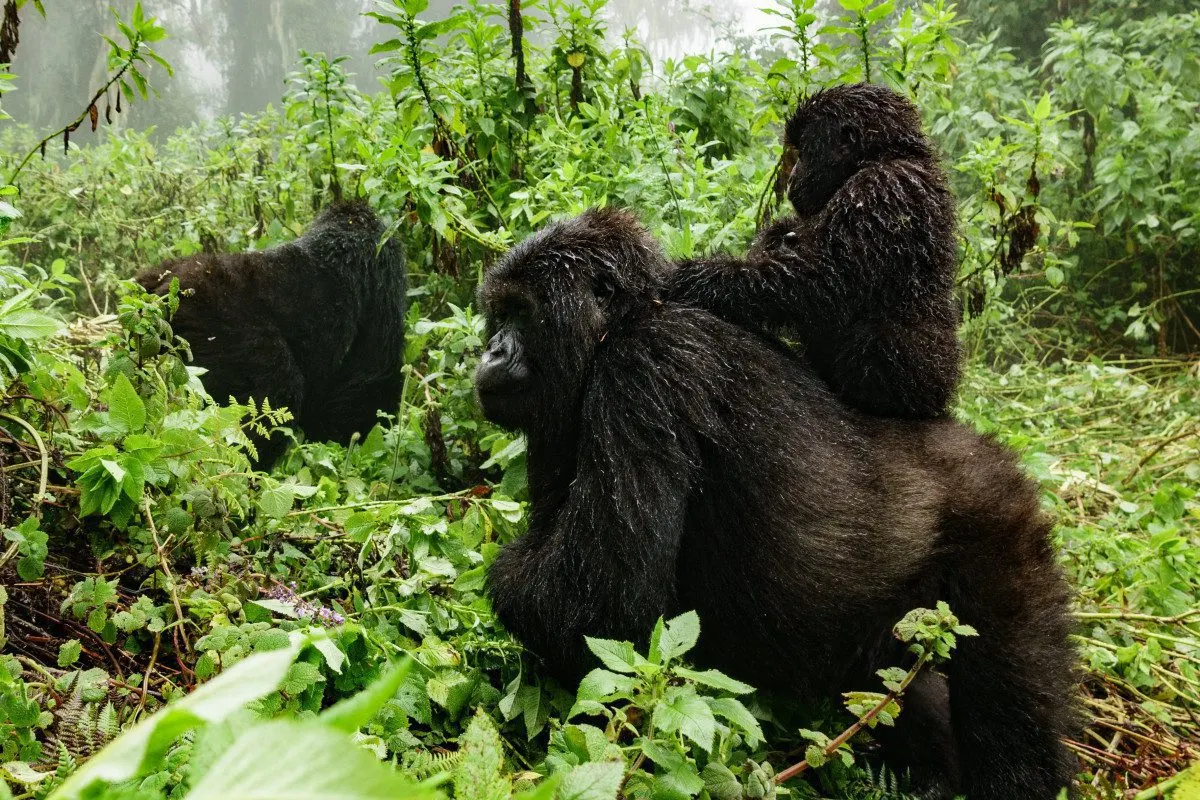
A gorilla safari Rwanda trip depends on permit availability. Rwanda issues a strictly limited number of gorilla trekking permits each day for Volcanoes National Park, and demand consistently outpaces supply, especially in the June to September and December to February dry seasons. Permits are also priced at a premium compared with neighboring countries, which reflects Rwanda’s reinvestment of trekking revenue into conservation and local communities. Booking three to six months ahead is standard practice, and an operator experienced with gorilla safaris Rwanda, such as Eton Safaris, can secure your slot and coordinate it with the right lodge and trekking group.
2. Understand the Cost Structure Before You Budget
Rwanda is a premium safari Rwanda destination, and the biggest line items in most Rwanda safari tours packages are worth planning for early:
● Gorilla trekking permits, the single largest cost of most Rwanda itineraries
● Golden monkey permits, a lower cost add on in the same Volcanoes National Park region
● Park fees at Akagera National Park for Big Five game drives and boat trips
● Ground transport or domestic flights, since road travel between Kigali and Volcanoes National Park takes roughly two to three hours
Full service operators, including Eton Safaris, typically present these costs together upfront as part of clear Rwanda safari packages so travelers can plan a realistic overall budget rather than being surprised by add ons later.
3. Choose Your Season with Trekking Conditions in Mind
● Dry seasons (June to September, mid December to February): Firmer trails and the most popular, and most booked out, travel windows.
● Wet seasons (March to May, October to November): Quieter parks and lush volcanic scenery, but steep, muddy trails during gorilla treks.
Rwanda’s Volcanoes National Park sits at altitude, so trekking conditions can shift quickly regardless of season, and guides will adjust routes accordingly.
4. Pack for Altitude and Volcanic Terrain
Gorilla trekking in Rwanda takes place on the steep, forested slopes of the Virunga volcanoes, often at elevations above 2,500 meters. Pack accordingly:
● Waterproof, ankle supporting hiking boots with good grip
● Layered clothing, since mornings are cold and forest hiking warms up quickly
● Long sleeves and trousers to protect against stinging nettles and biting insects
● Gardening gloves for gripping vegetation on steep sections
● A lightweight rain jacket regardless of season
5. Confirm Entry Requirements Before You Travel
Most visitors can obtain a Rwanda visa online in advance or on arrival, and Rwanda has positioned itself as one of the more streamlined entry processes in the region. A yellow fever vaccination certificate is required for travelers arriving from certain countries, and a pre-trip consultation with a travel health clinic is advisable for altitude and malaria guidance, since requirements can change.
6. Consider Pairing Rwanda With Uganda
Kigali sits close enough to southwestern Uganda’s gorilla parks that many travelers combine both countries in one trip, often trekking gorillas in Rwanda’s Volcanoes National Park and again in Uganda’s Bwindi Impenetrable Forest, or adding chimpanzee tracking and savanna game drives on the Uganda side. Combining countries adds border logistics and permit coordination, so it is best raised early in planning. This is a route that operators like Eton Safaris regularly build into multi country itineraries.
7. Match Your Trek to Your Fitness Level
Rwanda’s gorilla families are spread across the Virunga volcanoes at varying elevations and distances from the trailhead, so treks range from a couple of hours to a full day of steep hiking. Tell your operator about your fitness level and any concerns about altitude so they can assign a gorilla family and starting point that suits you. Porters are available and worth hiring, both for practical support and because porter fees directly benefit the local community.
8. Plan Your Cash and Payments
Rwanda has a more card friendly tourism sector than some neighboring countries, particularly in Kigali and at upscale lodges, but cash is still useful for tips, small purchases, and rural areas. Rwandan francs and US dollars are both commonly accepted, though dollar bills should be recent and undamaged. Notify your bank of international travel in advance to avoid card issues.
9. Respect Conservation and Trekking Rules
Rwanda enforces strict rules around gorilla trekking, including a minimum viewing distance, a maximum group size per gorilla family, and a requirement to postpone your trek if you are feeling unwell, since gorillas are highly susceptible to human respiratory illnesses. These rules are core to Rwanda’s conservation success and are non negotiable on the day of your trek.
10. Choose the Right Lodges and Operator
Where you stay shapes the trip as much as the trekking does. Rwanda safari lodges near Volcanoes National Park range from comfortable mid-range options to some of the most exclusive properties on the continent, and choosing well depends on your budget, group size, and appetite for extras like private guides or in-room fireplaces. Travelers seeking luxury Rwanda safaris or a Rwanda luxury safari itinerary should book lodges alongside permits, since the best rooms sell out on the same timeline as gorilla trekking slots. Rwanda’s tourism sector is well organized, but permit allocation, park logistics, and route planning still benefit from local, on the ground expertise. An experienced operator can react quickly if a permit needs rebooking, weather disrupts a route, or you want to add an experience like Lake Kivu or a cultural village visit. Companies with strong Rwanda experience, including Eton Safaris, tend to make the difference between a trip that runs smoothly and one that doesn’t.
Planning a Rwanda safari? Browsing available Rwanda Safari Packages from Eton Safaris is a good starting point — working with a specialist who handles permits, routing, and logistics on the ground can save significant time during the planning process and reduce the chances of costly missteps once you’re there.