Tanzania Safari Travel Tips: What First Time Visitors Need to Know
Tanzania is home to some of Africa’s most iconic landscapes: the endless plains of the Serengeti, the wildlife bowl of the Ngorongoro Crater, and the white sand beaches of Zanzibar. A Tanzania safari is often bigger and more varied than visitors expect, which is exactly why a little planning pays off. Whether you’re booking independently or working with an operator such as Eton Safaris, here are practical tips for a smoother, safer, and more rewarding safari Tanzania trip.
Time Your Trip Around the Serengeti Migration
The Great Migration moves through Tanzania for most of the year, but where it is depends heavily on the calendar. Calving season runs roughly January to March in the southern Serengeti, while the dramatic Grumeti and Mara river crossings typically happen from June through September in the north. Most Tanzania safaris are built around this movement, so tell your operator what you most want to see and book your Tanzania safari tours packages six to twelve months ahead for peak windows.
Understand the Cost Structure Before You Budget
A realistic Tanzania safari budget includes more than nightly lodge rates. Common line items in most Tanzania safari packages include:
● Park and crater entrance fees, charged per person per day and among the higher fees in East Africa
● Domestic flights or 4x4 vehicle hire with a driver guide, since parks are spread across large distances
● Optional add-ons such as a hot air balloon safari over the Serengeti or a Zanzibar beach extension
● Tips for guides and camp staff, which are customary and usually not included in package pricing
Full service operators, including Eton Safaris, typically lay these costs out upfront so there are no surprises once you’re on the ground.
Pick the Right Parks for What You Want to See
Tanzania’s parks each have a distinct character, and a good itinerary matches them to your interests:
● Serengeti National Park: Endless plains, the migration, and Tanzania’s best predator sightings.
● Ngorongoro Crater: A dense, self contained ecosystem with high odds of seeing the Big Five in a single day.
● Tarangire National Park: Famous for large elephant herds and ancient baobab trees.
● Lake Manyara: Known for tree climbing lions and flamingo studded shorelines.
● Zanzibar: A common beach extension after the wildlife portion of the trip.
Pack for Dust, Sun, and Cool Mornings
Tanzania’s safari circuits sit at moderate to high altitude, so mornings can be cold even when afternoons are hot and dusty. Pack accordingly:
● Neutral colored clothing (khaki, olive, tan) that hides dust and doesn’t startle wildlife
● A warm layer or fleece for early morning game drives, especially in the Ngorongoro Crater
● Sun protection: a wide brimmed hat, sunglasses, and high SPF sunscreen
● Comfortable closed toe shoes, plus sandals if you’re extending to Zanzibar
● Binoculars, since many of the best sightings are at a distance
Confirm Visa and Health Requirements Early
Most visitors can obtain a Tanzania visa online in advance or on arrival, though applying online ahead of time avoids queues at the airport. A yellow fever vaccination certificate is required if you’re arriving from or have transited through a country with risk of yellow fever transmission, and a pre-trip consultation with a travel health clinic is advisable for malaria prophylaxis, since Tanzania’s safari regions are malaria risk areas.
Consider Combining Tanzania With Zanzibar or Kenya
Many travelers pair the wildlife portion of a Tanzania trip with a few days on Zanzibar’s beaches, and the logistics are straightforward with a short flight from Arusha or the northern circuit. Others combine Tanzania with Kenya, since the Serengeti and the Masai Mara share the same migration ecosystem across the border. This is a common request that operators like Eton Safaris regularly build into multi destination itineraries.
Choose Between a Private and a Shared Safari Vehicle
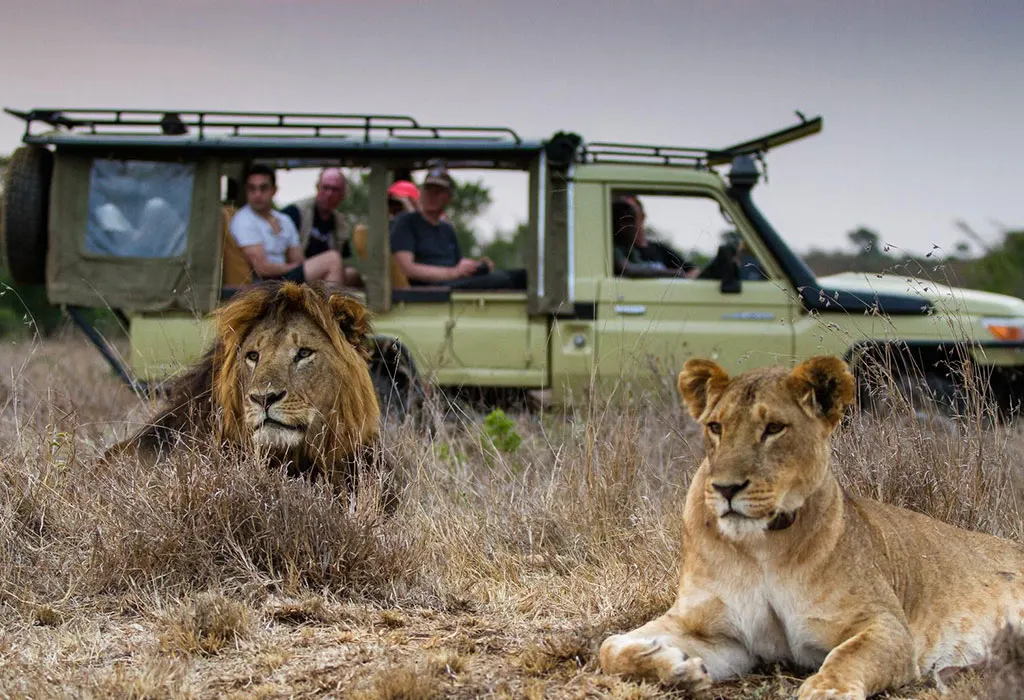
Group game drives in shared safari vans are more affordable and common at mid-range camps, while private vehicles offer more flexibility over timing, pace, and photography angles. If you have specific interests, such as birding or photography, or want to linger longer at sightings, a private vehicle is usually worth the extra cost. Let your operator know your preference early, since vehicle allocation is often set well in advance.
Plan Your Cash and Payments
Respect Wildlife Viewing Rules
Tanzania’s parks and conservation areas enforce rules such as staying on designated tracks, maintaining a respectful distance from animals, and observing set game drive hours, particularly around dawn and dusk. These rules protect both wildlife and visitors, and guides are required to follow them strictly even if it means a shorter view of a sighting.
Choose the Right Lodges and Operator
Where you stay shapes a Tanzania safari as much as the game drives do. Tanzania safari lodges range from comfortable tented camps to some of the most exclusive properties in Africa, and the right choice depends on your budget, group size, and appetite for extras like private guides or plunge pools. Travelers seeking luxury Tanzania safaris or a Tanzania luxury safari itinerary should book camps and migration season slots well ahead, since the best properties sell out early. Tanzania’s tourism infrastructure is mature, but park logistics, seasonal migration timing, and multi-park routing still benefit from local, on the ground expertise. Companies with strong Tanzania experience, including Eton Safaris, tend to make the difference between a trip that runs smoothly and one that doesn’t.
Planning a Tanzania safari? Browsing available Tanzania Safari Packages from Eton Safaris is a good starting point — working with a specialist who handles routing, timing, and logistics on the ground can save significant time during the planning process and reduce the chances of costly missteps once you’re there.