How to Photograph Gorilla Expressions on Trek: Tips to Capture Beauty Beyond the Ugly Stereotype
Discover how to photograph gorilla expressions on trek and capture beauty beyond the ugly stereotype. Learn the gear settings, lighting realities, and framing habits that turn a flat snapshot into a portrait. Explore gorilla trekking Rwanda, Rwanda safari packages, and luxury Rwanda safaris built around photographers.
Most visitors leave gorilla trekking Rwanda with several hundred photographs and perhaps four usable portraits. The reason is rarely equipment. It is the hour itself: dense shade, restless subjects, a seven-metre distance rule, no flash, and a strict sixty-minute window. Photographers who plan around those constraints come back with images that change how people read a gorilla face. Those who do not come back with the flat, open-mouthed shots that fuel the stereotype in the first place. This guide sets out the practical approach, from settings and light to the small behavioural cues that predict a usable expression before it happens.
Popular Rwanda Safari Packages
8 Day Best Gorilla Trekking Safaris in Volcanoes National Park
7 Day Classic Gorilla Trekking in Volcanoes on Rwanda Safaris Tours
10 Day Luxury Gorilla Trekking and Nyungwe Forest National Park
6 Day Premium Gorilla Trekking Safaris in Volcanoes and Nyungwe Forest National Park
9 Day Gorilla Trekking in Volcanoes and Nyungwe Forest National Park Safaris
How to Photograph Gorilla Expressions on Trek: Tips to Capture Beauty Beyond the Ugly Stereotype
Understand the Light Before You Book Gorilla Trekking Rwanda
Gorilla trekking Rwanda happens under forest canopy at 2,500 to 3,000 metres, where light is dim, dappled, and constantly shifting. Bright sun through leaves creates harsh patches that fall across a silverback's face and ruin the image. Overcast mornings are the photographer's friend, because cloud diffuses the light evenly across fur and skin. The dry seasons from June to September and December to February offer more stable conditions, but cloud cover remains unpredictable. For Rwanda safari packages, travellers serious about photography should ask for morning trek allocations rather than afternoon slots.
Set Your Camera Correctly on the Gorilla Trekking Permit Rwanda Trek
The gorilla trekking permit Rwanda allows one hour and prohibits flash, which makes high ISO non-negotiable. Set the camera to ISO 1600 to 6400, an aperture of f/4 to f/5.6 to keep the eyes sharp while softening background foliage, and a shutter speed of at least 1/500 to freeze small movements. Shoot in RAW so you can recover shadow detail in dark fur. Burst mode helps, because expressions peak and pass within a fraction of a second. If you are using a phone, turn off HDR, lock exposure on the face, and avoid digital zoom entirely.
Choose the Right Lens for Rwanda Gorilla Trekking Cost
The Rwanda gorilla trekking cost is significant, and the lens choice protects that investment. A 70 to 200mm f/2.8 is the practical standard, because the seven-metre distance rule means you rarely need more reach, and the fast aperture handles forest shade. A 24 to 70mm is useful for wider environmental portraits showing the family within bamboo. Prime lenses deliver sharper results but force you to move, which is not always possible. Do not bring a 600mm telephoto expecting to fill the frame with a face, because the working distance makes it redundant and heavy. On gorilla safaris Rwanda, porters can carry spare equipment.
Frame Faces, Not Just Heads, on Luxury Rwanda Safaris
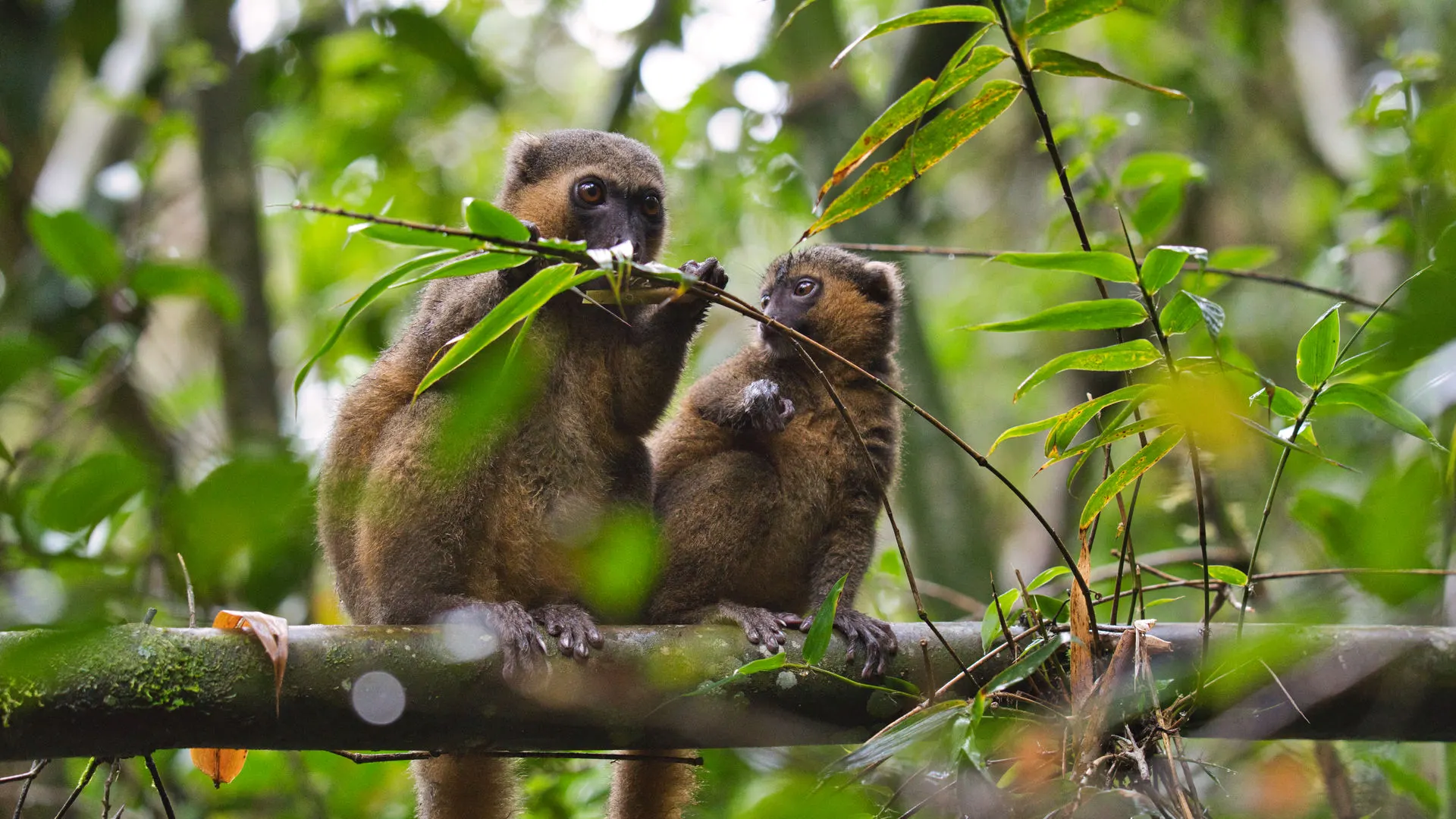
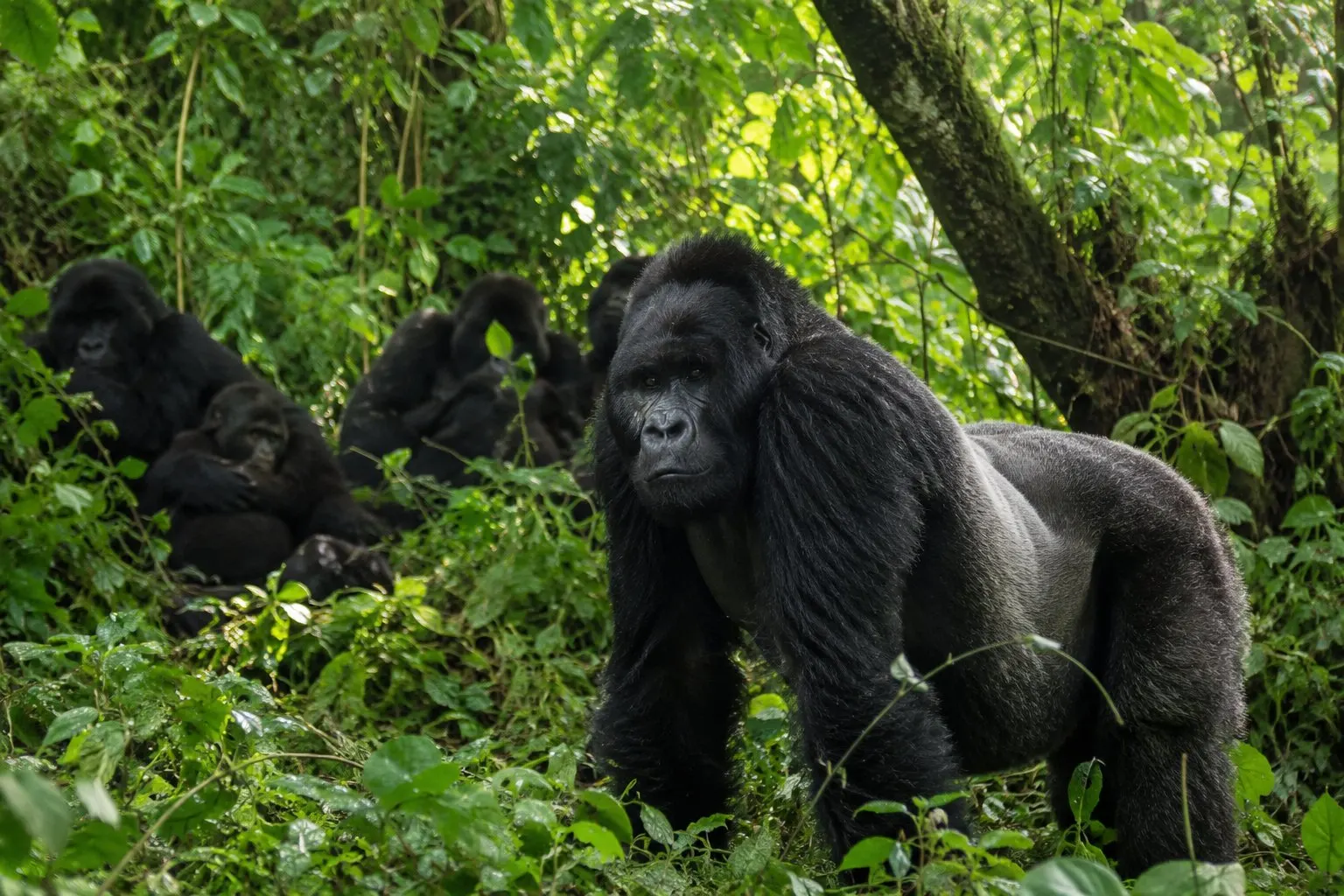
The ugliest gorilla images share one habit: a tight head-only crop with the mouth open. On luxury Rwanda safaris, guides and trackers will position you so that hands, shoulders, and foliage frame the face rather than isolate it. Shoot at eye level rather than looking down, because an upward angle flatters the subject and mimics a portrait. Include hands and feet when they appear, since they carry as much expression as the face. Leave space around the head so the image breathes. A silverback photographed through bamboo is far more compelling than one photographed against nothing.
Wait for Micro-Expressions on Gorilla Trekking Tours Rwanda
Gorilla trekking tours Rwanda rewards patience over clicking. The best expressions arrive in the moments between activities: a brief glance toward a sound, a mother checking on an infant, a juvenile inspecting a leaf. Watch the brow and the ears rather than the mouth, because gorillas signal intention through subtle movement before visible expression. Keep both eyes open while shooting so you can anticipate. Trackers usually indicate when a family is about to settle or move, which is the moment to reposition. Two strong portraits matter more than two hundred frames of the same pose.
Respect the Rules That Protect the Shot on Rwanda Safari Tours
Rwanda safari tours enforce strict photography rules, and respecting them improves the images rather than restricting them. Flash is prohibited because it startles the animals. The seven-metre distance is a hard limit, and moving closer will be stopped by rangers. No food may be left in view. Trekking while ill is not permitted, and cameras must not be pointed directly into a gorilla's eyes for sustained periods. Those rules protect the animals and also force better composition, because you must work with the distance rather than against it. Photographers who respect them consistently report calmer, more expressive subjects.
Post-Processing That Reframes the Stereotype on Rwanda Safari Packages
Rwanda safari packages with a photography focus often include post-processing guidance after the trek, and it matters. Lift shadows in dark fur without flattening contrast. Warm the skin tones slightly so the face reads as flesh rather than stone. Desaturate the surrounding foliage so the eye goes to the face. Avoid heavy clarity sliders, which exaggerate texture and produce the harsh, caricatured look that fuels the ugly stereotype. Crop to include a hand or a shoulder where possible. The goal is a portrait that reads as an individual, not a specimen.
Best Time to Visit for Photographing Gorilla Trekking Rwanda
Determining the best time for Rwanda safari photography means favouring soft, even light. The dry seasons from June to September and December to February deliver firmer trails and thinner vegetation, which improves visibility through bamboo and allows cleaner backgrounds. The Rwanda dry season safari window is also when permits sell out fastest, so photographers should book three to six months ahead. The wetter months bring lower rates at Rwanda safari lodges and dramatic atmosphere, but rain damages equipment and the gorillas often sit deeper in cover.
Why Book with Eton Safaris for Gorilla Safaris Rwanda Photography
Why Book with Eton Safaris? Because a photographic trek depends on early trailhead allocation, a guide who understands composition, and a lodge close enough to Kinigi that you arrive rested rather than rushed. Eton Safaris designs bespoke journeys beyond the standard Rwanda safari template, securing permits in your name and matching you to lodges and guides who suit a photographer's priorities. Whether you seek a luxury Rwanda safari, a budget Rwanda safari, or a family Rwanda safari, they tailor each Rwanda safari itinerary with transparent costs and candid advice on what the trek actually allows you to shoot.