Gorillas versus Other Great Apes: Looks, Behavior, and Conservation Myths
Discover how gorillas compare to chimpanzees, bonobos, and orangutans in looks, behaviour, and conservation status. Learn why the differences matter when you book gorilla trekking Rwanda, and explore Rwanda safari packages, gorilla safaris Rwanda, and luxury Rwanda safaris built around accurate expectations.
"Great ape" covers far more than the animal most travellers picture. The group includes gorillas, chimpanzees, bonobos, orangutans, and humans, and the differences between them are not cosmetic. Gorillas are the largest, chimpanzees the most tool-fluent, bonobos the most socially tolerant, and orangutans the most solitary. Each difference shapes how the animal lives, how it is studied, and how it is protected. When travellers ask why gorillas look and behave so differently from chimpanzees, the answer usually lies in diet, habitat, and social structure rather than temperament. This guide sets out those differences honestly, and separates the conservation facts from the myths that still circulate around gorilla trekking Rwanda.
Popular Rwanda Safari Packages
8 Day Best Gorilla Trekking Safaris in Volcanoes National Park
7 Day Classic Gorilla Trekking in Volcanoes on Rwanda Safaris Tours
10 Day Luxury Gorilla Trekking and Nyungwe Forest National Park
6 Day Premium Gorilla Trekking Safaris in Volcanoes and Nyungwe Forest National Park
9 Day Gorilla Trekking in Volcanoes and Nyungwe Forest National Park Safaris
Gorillas versus Other Great Apes: Looks, Behavior, and Conservation Myths
How Gorillas Differ From Other Great Apes in Looks on Gorilla Trekking Rwanda
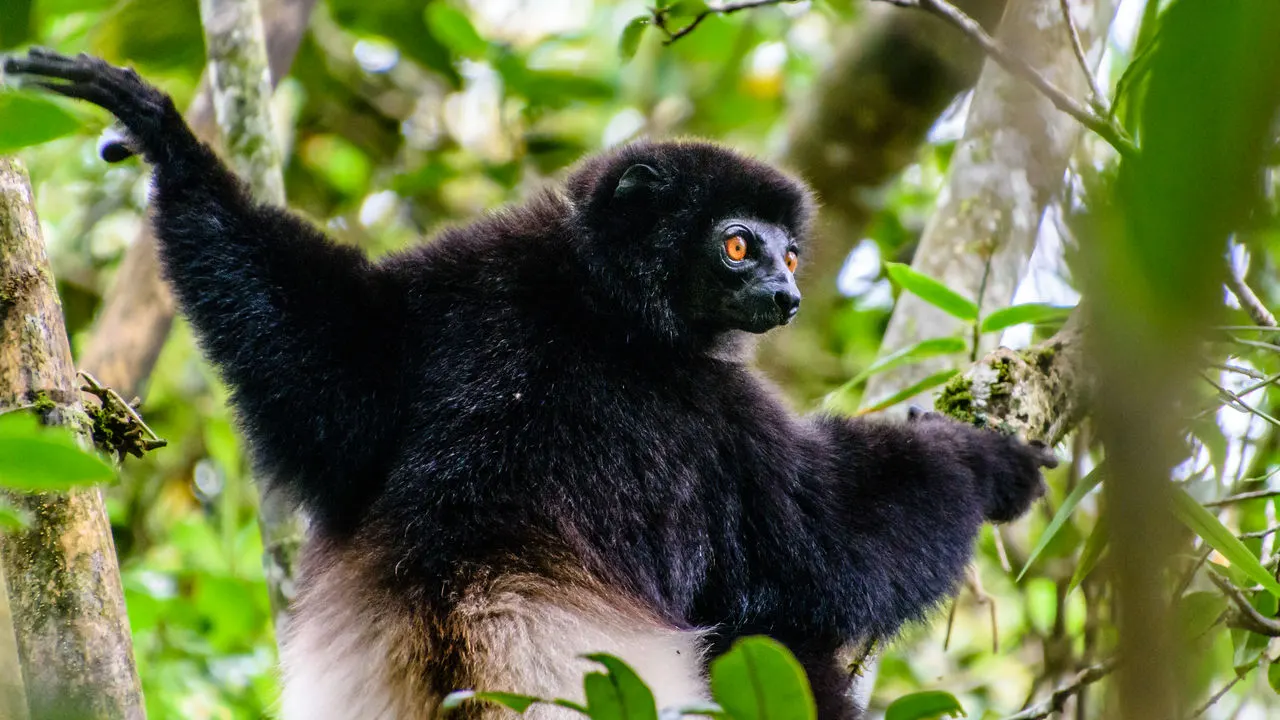
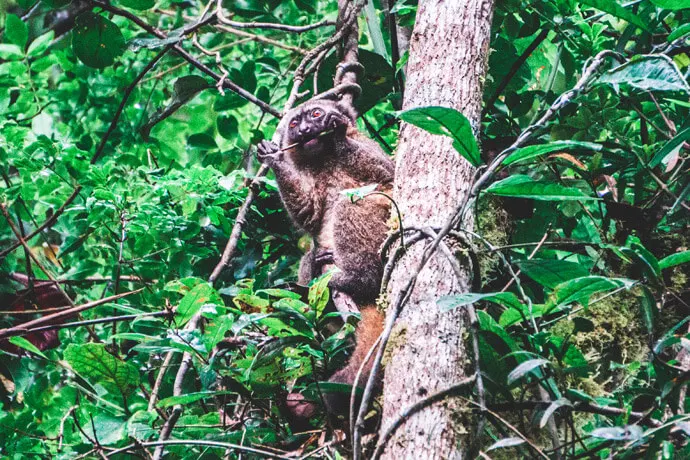
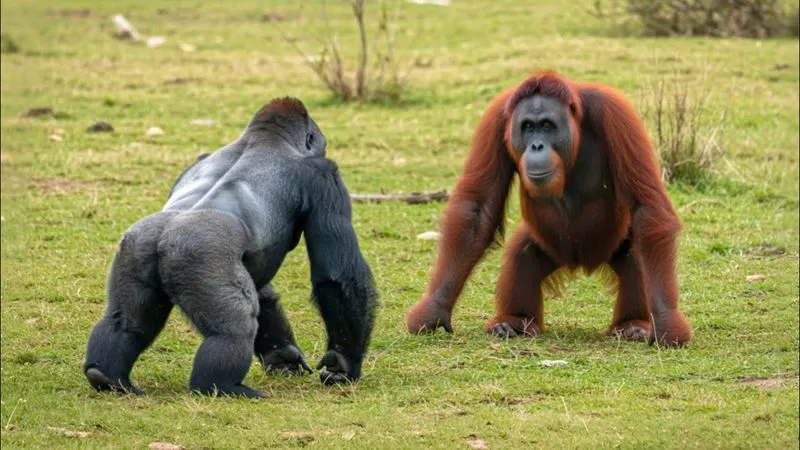
Gorillas are the largest of all apes, with adult males reaching around 180 kilograms and standing up to 1.8 metres, roughly four times the weight of a female chimpanzee. Their bodies are built for ground living, with shorter arms relative to body length than orangutans and a barrel-chested frame that reflects a diet of bulky vegetation. Mountain gorillas carry thicker, longer hair than western lowland gorillas because they live at altitude in colder forest. On gorilla trekking Rwanda, that difference is visible immediately: the animals are heavier, darker, and far more grounded than the tree-dwelling orangutan.
Size and Strength Comparisons Across Gorilla Safaris Rwanda
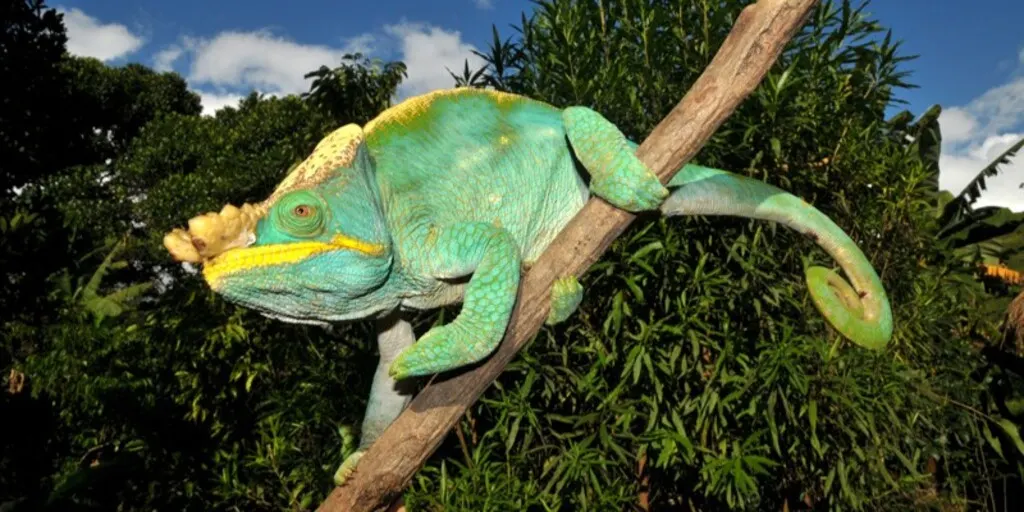
Size explains much of the behavioural gap between great apes. A silverback gorilla at roughly 170 kilograms is about four times the weight of a female chimpanzee and five times the weight of an adolescent gorilla or orangutan. Orangutans compensate with the longest arms relative to body length of any great ape, sometimes reaching 7.5 feet, because their survival depends on suspension in the canopy. Chimpanzees sit in between, at around 52 kilograms for males, built for climbing and rapid movement. Travellers on gorilla safaris Rwanda are watching an animal adapted to walking, not swinging, and that single fact explains most of what follows.
Behavior: Why Gorillas Are Not Chimpanzees on Rwanda Safari Packages
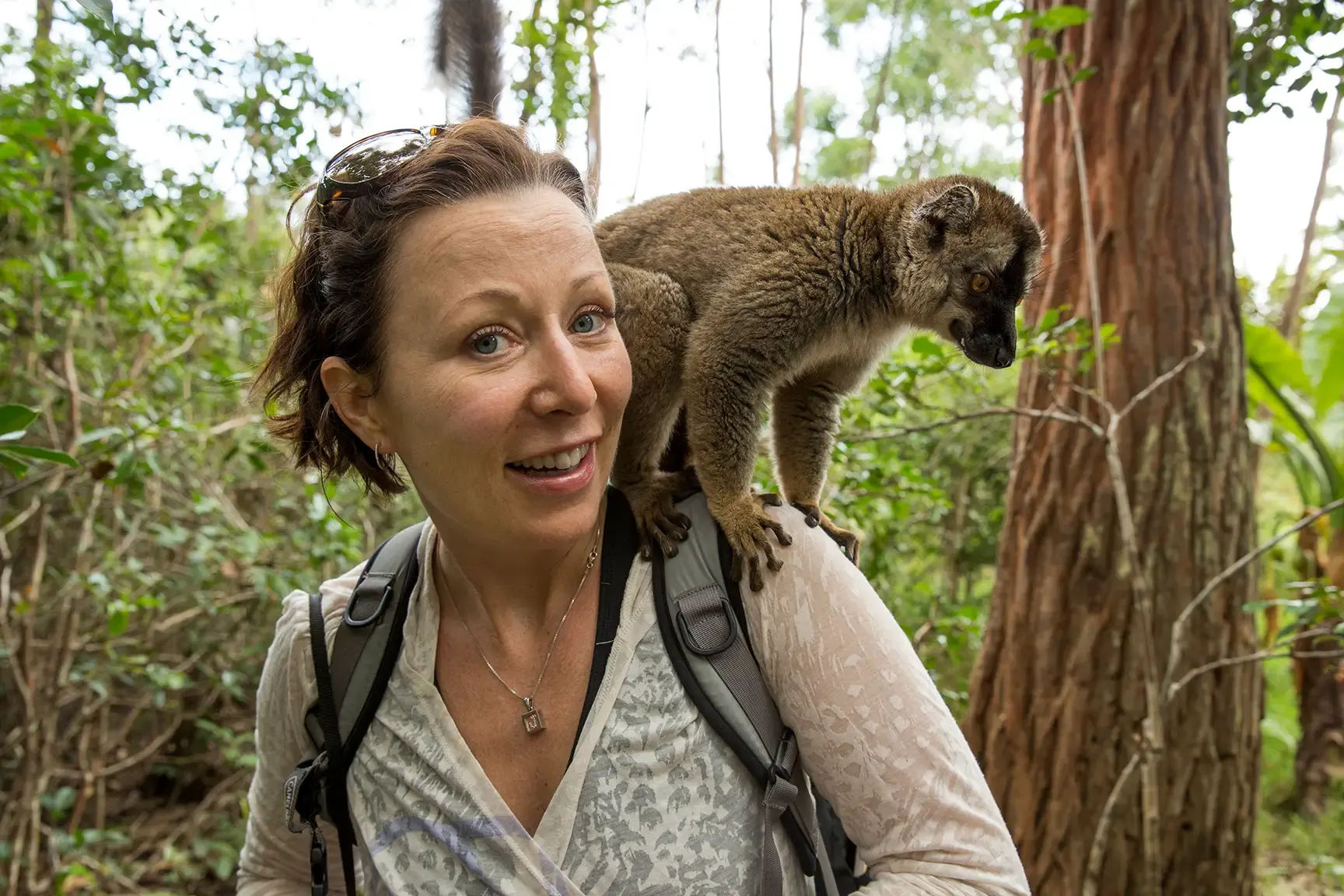
Gorillas and chimpanzees are often treated as interchangeable in popular writing, and they are not. Chimpanzees are the most aggressive great ape by measured intergroup conflict, with the highest recorded death rate from within-species violence. Gorillas, by contrast, are repeatedly described by field researchers as peaceful, with violence reserved for genuine threats to the family. The confusion arises because a silverback's chest-beating threat display looks violent to human observers, when it is usually a warning rather than an attack. Travellers on Rwanda safari packages who expect aggression are consistently surprised by how quiet the encounter actually is.
Social Structure: One Silverback Versus Chimpanzee Coalitions on Luxury Rwanda Safaris
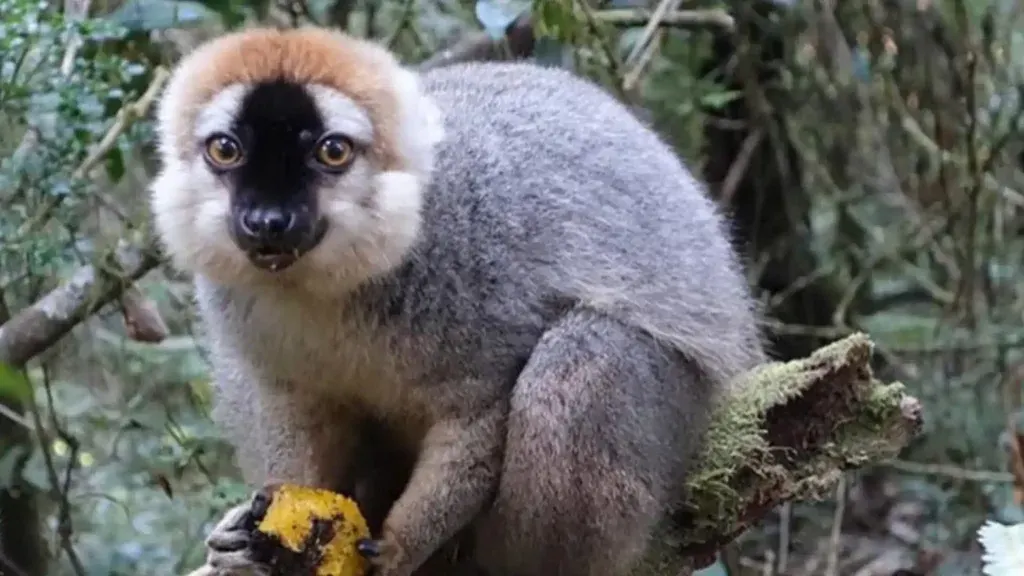
Social organisation separates the species even more sharply than appearance. Gorillas live in stable groups of up to around 30, typically one dominant silverback with several females and their offspring. Chimpanzees live in larger fission-fusion communities of around 50, with a complex male hierarchy headed by an alpha male chosen for intelligence rather than size. Bonobos, the smallest great ape, live in mixed groups where intergroup relationships are generally affiliative rather than aggressive. Orangutans are essentially solitary, with a mean group size of 1.8 individuals. On luxury Rwanda safaris, guests are watching one of the most cohesive family structures among the great apes.
Tool Use and Intelligence on Gorilla Trekking Tours Rwanda
Tool use is where the popular hierarchy gets interesting. Chimpanzees are the most prolific tool users among the great apes, peeling twigs to fish for termites and selecting rocks to crack nuts. Gorillas use tools far less often, and for decades were assumed incapable of it, though the picture has become more nuanced with observation. What gorillas demonstrate instead is social intelligence: reading the mood of a silverback, coordinating movement through dense forest, and resolving conflict within the group. Travellers on gorilla trekking tours Rwanda often notice that the intelligence is visible in how the family responds to each other rather than in what they manipulate.
Conservation Myths That Persist on Rwanda Safari Tours
Several myths survive because they are repeated more often than they are checked. The first is that gorillas are aggressive; the reality is that they are peaceful unless threatened, and most incidents involve humans behaving badly. The second is that gorillas are monkeys; they are apes, and apes do not have tails. The third is that gorillas are strict vegetarians; wild gorillas eat plants and insects, and western lowland gorillas take about 30 percent of their diet from fruit, while mountain gorillas eat almost no fruit. Travellers on Rwanda safari tours benefit from hearing these corrected before the trek rather than after it.
The Real Conservation Picture for Rwanda Gorilla
The conservation story is genuinely uneven across gorilla taxa, and that unevenness is routinely flattened into a single headline. Mountain gorillas increased from around 620 individuals in the 1980s to more than 1,000 today, and were reclassified from critically endangered to endangered in 2018. They remain the only great ape taxon increasing in number. Western lowland gorillas, by contrast, are critically endangered, with declines of more than 80 percent and an estimated population of around 316,000 in 2026. When travellers ask about the Rwanda gorilla population, the honest answer is that this subspecies is a success story inside a wider crisis.
What This Means for Travellers Booking a Gorilla Trekking Permit Rwanda
The gorilla trekking permit Rwanda costs for foreign non-residents, with 96 permits issued daily across 12 habituated families and a maximum of eight visitors per family. That fee is not arbitrary. It funds the rangers, veterinary teams, and community programmes that produced the population recovery described above, and it explains why rules on distance, illness, and duration are enforced so strictly. When travellers question the Rwanda gorilla trekking cost, the comparison worth making is not against other holidays but against the cost of losing the species.
Best Time to Visit for Rwanda Safari and Seeing the Differences
Determining the best time for Rwanda safari comparison means balancing trail conditions with visibility. The dry seasons from June to September and December to February deliver firmer trails and thinner vegetation, which makes it easier to observe the physical and behavioural differences described above at close range. The Rwanda dry season safari window is also when permits sell out fastest. The wetter months bring lower rates at Rwanda safari lodges, but the gorillas often sit deeper in cover, which makes comparison harder.
Why Book with Eton Safaris for Gorilla Safaris Rwanda
Why Book with Eton Safaris? Because the differences between great apes are easy to flatten into a single photograph, and the value of a trek lies in understanding what you are actually watching. Eton Safaris designs bespoke journeys beyond the standard Rwanda safari template, securing permits in your name, briefing guests honestly on behaviour and conservation, and choosing Kinigi lodges that remove the pre-dawn drive. Whether you seek a luxury Rwanda safari, a budget Rwanda safari, or a family Rwanda safari, they tailor each Rwanda safari itinerary with transparent costs and candid advice on what the encounter involves.