Comparing Mountain Gorillas, Lowland Gorillas, and Chimpanzees: Which Primate Gets Misunderstood as an 'Ugly Gorilla'
Discover which primate is most often mislabelled the "ugly gorilla" and why the comparison with mountain gorillas and chimpanzees reveals more about human perception than animal appearance. Explore gorilla trekking Rwanda, Rwanda safari packages, and luxury Rwanda safaris built around the primates travellers actually meet.
Three primates dominate the conversation about mountain gorillas, lowland gorillas, and chimpanzees, and only one of them carries the "ugly" label. That label rarely attaches to the mountain gorilla, whose long silky hair and broad, photogenic face have made it the face of African conservation. It attaches even less to the chimpanzee, whose facial features read as more human and therefore more familiar. The animal most often described as ugly is the western lowland gorilla, the subspecies most commonly seen in zoos, the one with shorter, sparser hair and a more pronounced brow ridge. That distinction is not trivial. It explains why travellers arriving in Rwanda often expect one animal and meet another, and why the label says more about where a photograph was taken than about the primate itself.
Popular Rwanda Safari Packages
8 Day Best Gorilla Trekking Safaris in Volcanoes National Park
7 Day Classic Gorilla Trekking in Volcanoes on Rwanda Safaris Tours
10 Day Luxury Gorilla Trekking and Nyungwe Forest National Park
6 Day Premium Gorilla Trekking Safaris in Volcanoes and Nyungwe Forest National Park
9 Day Gorilla Trekking in Volcanoes and Nyungwe Forest National Park Safaris
Comparing Mountain Gorillas, Lowland Gorillas, and Chimpanzees: Which Primate Gets Misunderstood as an 'Ugly Gorilla'
Appearance: Mountain Gorilla Versus Lowland Gorilla Versus Chimpanzee
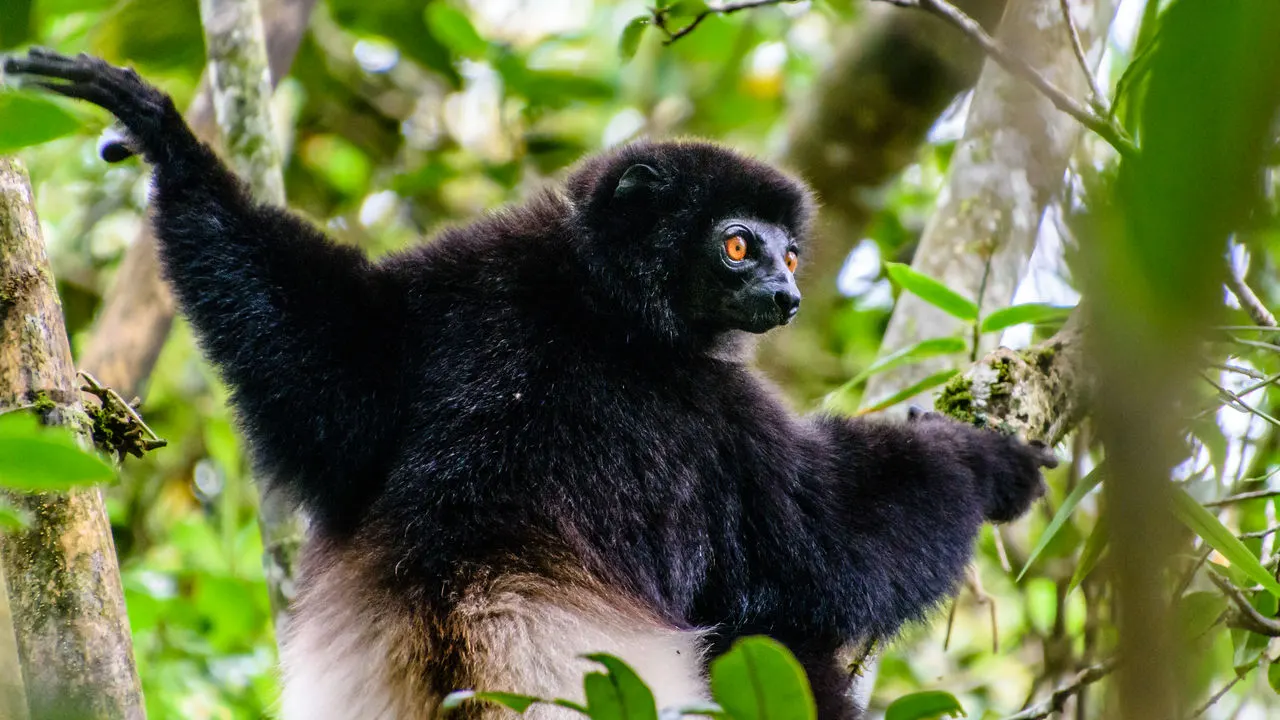
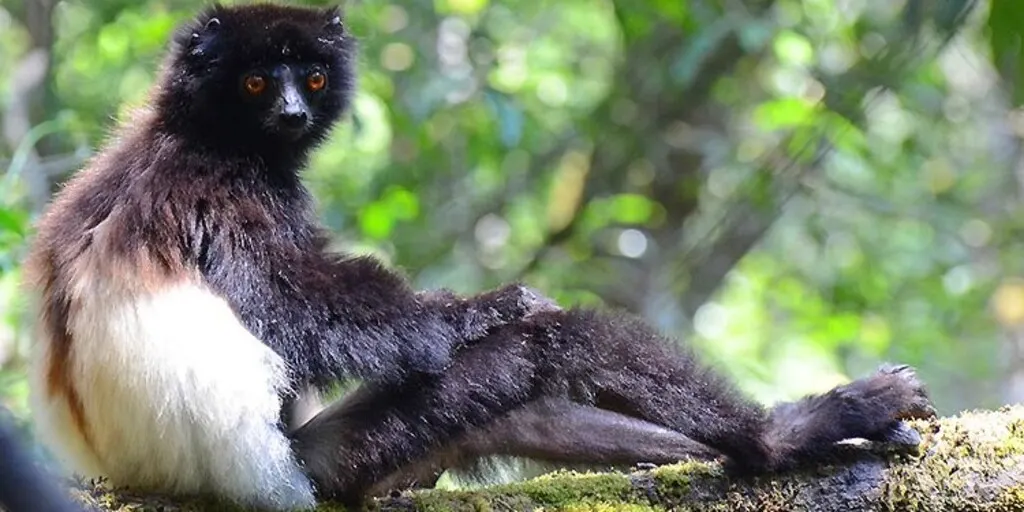
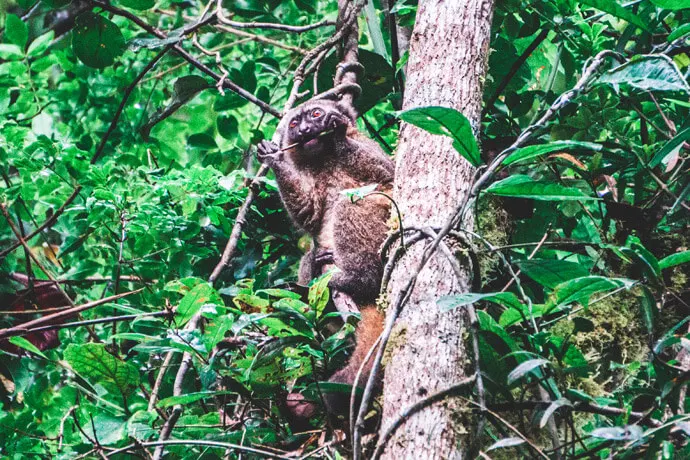
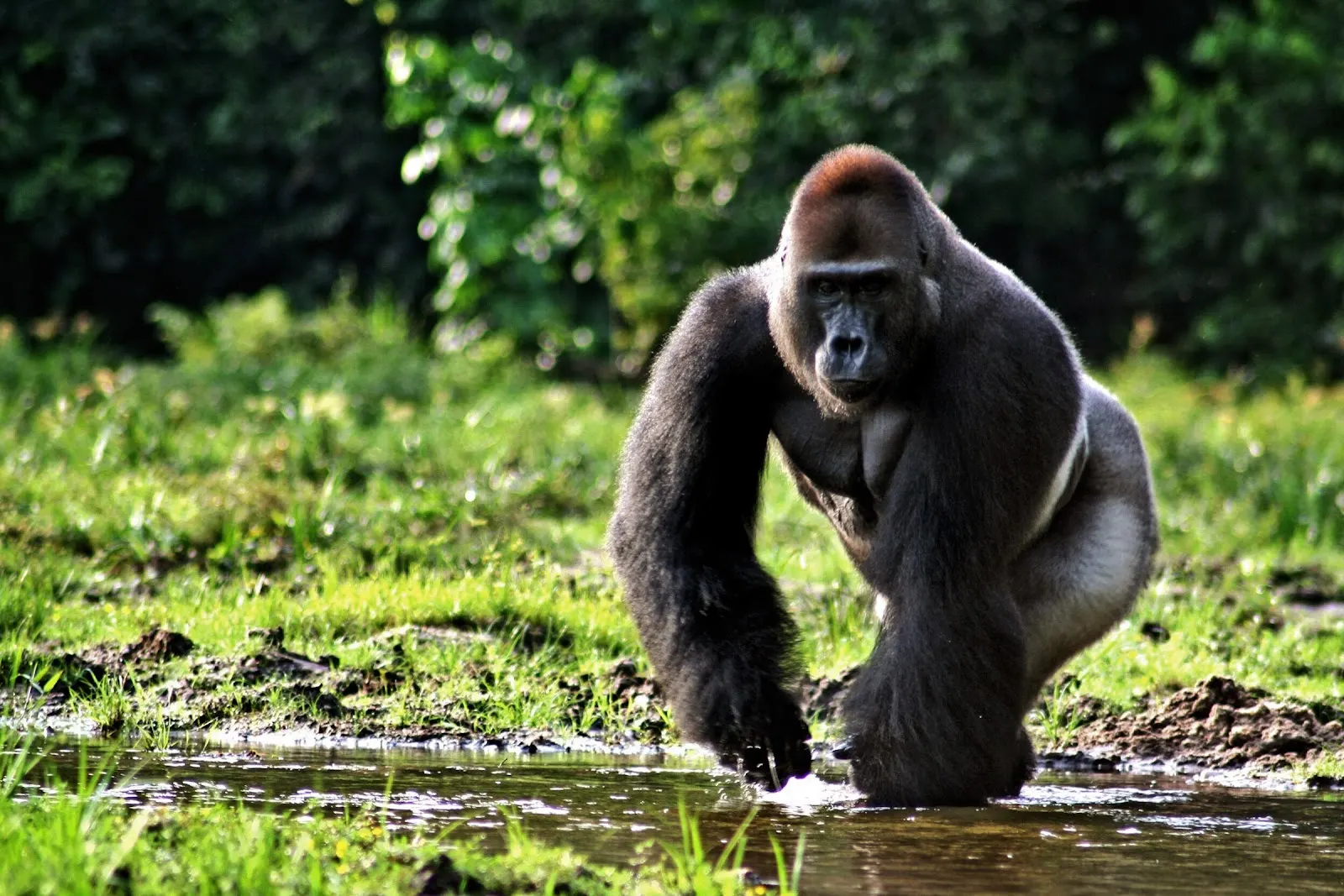
The three primates look fundamentally different, and the differences are measurable. Mountain gorillas carry long, silky hair because they live at altitude in cooler forest, while lowland gorillas have short, sparse hair and a more brownish coat. The western lowland gorilla has a wider, larger skull than the mountain gorilla, a more pronounced brow ridge, and ears that appear small relative to the head. Chimpanzees are far smaller, with black hair and faces that are pale at birth and darken with age. A male chimpanzee weighs around 52 kilograms, roughly a third of a silverback's 170 to 220 kilograms. On any gorilla trekking Rwanda trek, the animal you meet is the long-haired mountain gorilla, not the shorter-haired lowland subspecies that shaped the stereotype.
Which Primate Is Most Often Called the Ugly Gorilla on Gorilla Safaris Rwanda
The western lowland gorilla is the animal most frequently labelled ugly, and the reason is proximity rather than biology. It is the subspecies most commonly held in zoos, the one photographed through glass, and the one whose shorter hair exposes the pronounced brow and conical head crest that read as severe in a flat image. The mountain gorilla, by contrast, is almost never seen outside its forest and is photographed in soft canopy light by travellers who have just paid a significant gorilla trekking permit Rwanda fee. That difference in viewing conditions explains most of the perception gap. Travellers on gorilla safaris Rwanda are seeing the same genus under the most flattering possible conditions.
Behavior: Peaceful Gorillas Versus Aggressive Chimpanzees
Behavior separates the species even more sharply than appearance, and the popular hierarchy is often reversed. Gorillas are consistently described by field researchers as quiet, peaceful, and non-aggressive, with conflict between silverbacks usually limited to vocalisations and chest-beating rather than physical fighting. Chimpanzees, by contrast, have the highest recorded rate of lethal intergroup conflict among the great apes. Bonobos are the most socially tolerant. On Rwanda safari packages, guests who arrive expecting aggression from gorillas frequently remark on how calm the encounter feels, and how much of the tension they anticipated came from images rather than animals.
Social Structure: One Silverback Versus Chimpanzee Coalitions
Gorillas live in stable groups typically built around one dominant silverback with several females and their offspring. The silverback makes the decisions about travel, conflict, and food, and the group moves as a unit around him. Chimpanzees live in larger fission-fusion communities of around 50, with a complex male hierarchy headed by an alpha chosen for intelligence rather than size. Orangutans are essentially solitary. Travellers on luxury Rwanda safaris are watching one of the most cohesive family structures among the great apes, and that cohesion is what most often replaces the word "ugly" with something closer to respect.
Diet and Habitat: Why Lowland and Mountain Gorillas Look Different
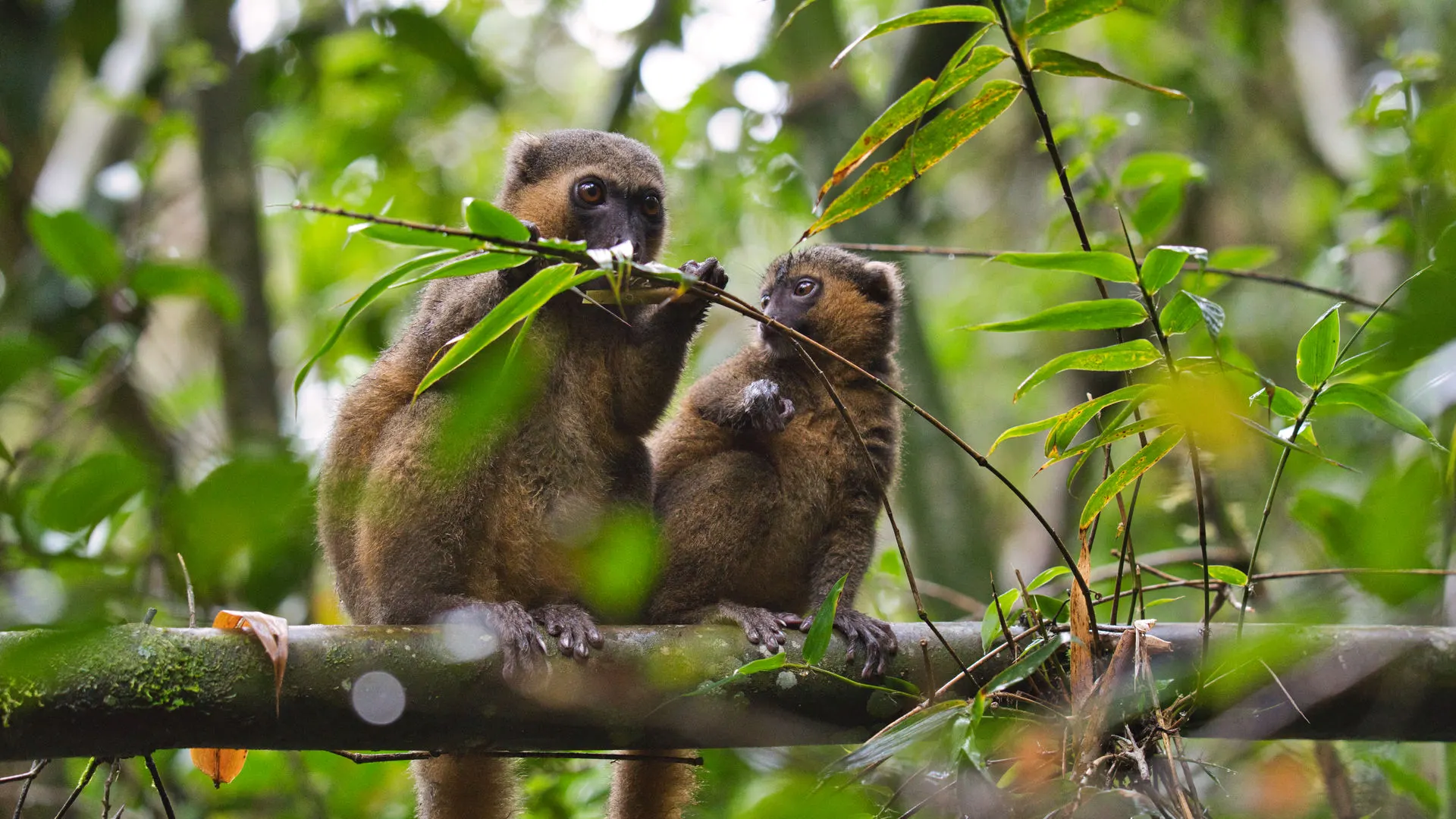
Diet shapes appearance more than most travellers realise. Mountain gorillas are folivores who eat bamboo and leafy vegetation, and their longer hair reflects the colder high-altitude forest they inhabit. Western lowland gorillas eat far more fruit alongside herbaceous vegetation, termites, and ants, and their shorter, sparser coat reflects a warmer, lower environment. That dietary difference also affects body composition and, indirectly, the face. When travellers on Rwanda safari tours ask why the gorillas they see look softer than the ones in photographs, the answer is habitat, diet, and hair length rather than subspecies temperament.
Conservation Status: Chimpanzees Endangered, Gorillas Critical
The conservation picture is more uneven than the single headline suggests. Chimpanzees and bonobos are classified as Endangered, while both western gorillas and eastern gorillas are Critically Endangered according to the IUCN. Mountain gorillas, however, are the exception within the gorilla genus: they were reclassified from Critically Endangered to Endangered in 2018 and remain the only great ape taxon increasing in number, with populations stable at around 459 in Uganda's Bwindi sector alone. That distinction matters for anyone booking a gorilla trekking permit Rwanda. The fee funds a recovery story, not a rescue operation, and the animal being protected is not the one most often called ugly.
The Historical Roots of the Ugly Gorilla Label on Rwanda Safari Lodges
The label has a history that predates photography. When gorillas were first described by scientists, they were thought to be a kind of monkey, and Darwin's argument for shared ancestry caused some to view them as grotesque and savage animals. Nineteenth-century illustrations exaggerated gorilla features, and cinema turned that exaggeration into spectacle. Guests at Rwanda safari lodges often hear this context from guides, and it reframes the encounter. The ugliness was never in the animal. It was in the drawing.
Why Mountain Gorillas Escape the Stereotype on Rwanda Safari Tours
Mountain gorillas escape the stereotype for reasons that have little to do with biology. They are photographed in filtered forest light rather than fluorescent zoo enclosures. They are seen at seven metres rather than through glass. Their long hair softens the brow ridge that reads as severe in the lowland subspecies. And they are encountered by travellers who have just completed a demanding trek and are primed to see something remarkable. That combination of conditions produces portraits that circulate widely and reinforce the idea that gorillas can be beautiful. The lowland gorilla, seen in worse conditions, carries the reputation instead.
Best Time to Visit for Seeing Mountain Gorillas in Rwanda
Determining the best time for Rwanda safari comparison means favouring conditions that let you observe the animal properly. The dry seasons from June to September and December to February deliver firmer trails and thinner vegetation, which makes facial detail and family behaviour easier to see at close range. The Rwanda dry season safari window is also when permits sell out fastest. The wetter months bring lower rates at Rwanda safari lodges, but the gorillas often sit deeper in cover.
Why Book with Eton Safaris for Gorilla Safaris Rwanda
Why Book with Eton Safaris? Because the primate you meet in Rwanda is not the primate most often photographed badly, and understanding that difference changes the encounter. Eton Safaris designs bespoke journeys beyond the standard Rwanda safari template, securing permits in your name and briefing guests honestly on subspecies, behaviour, and conservation status. Whether you seek a luxury Rwanda safari, a budget Rwanda safari, or a family Rwanda safari, they tailor each Rwanda safari itinerary with transparent costs and candid advice on what the trek actually delivers.