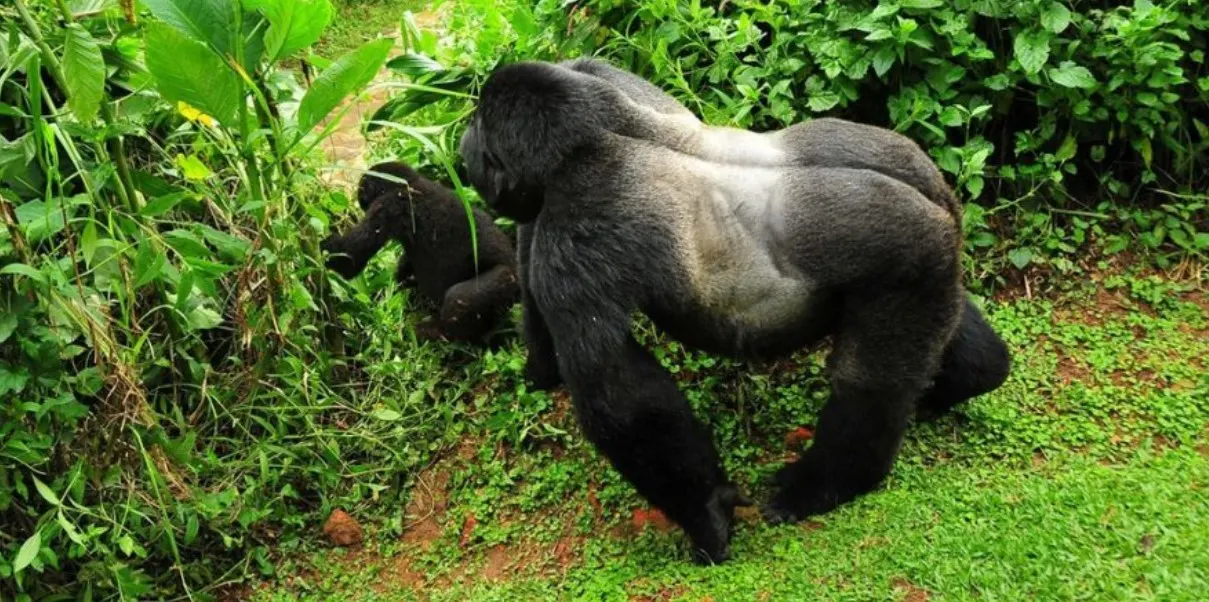
Best Uganda Gorilla Trekking Tips
Discover the best Uganda gorilla trekking tips, from booking the permit and choosing the right Bwindi sector to packing for nettles and hiring the porter who saves your trek. Explore Uganda safari packages and gorilla safari Uganda built around preparation rather than luck.
The best Uganda gorilla trekking tips are not about gear alone. They are about sequencing, because the permit locks you into one Bwindi sector and one date, and almost every subsequent decision follows from that. The standard Uganda gorilla trekking permit costs for foreign non-residents, with a low-season rate in April, May, and November. Bwindi covers 321 square kilometres and shelters roughly 459 gorillas, nearly half the world's mountain gorilla population, across four sectors that function almost like separate parks. This guide sets out the tips that actually change the day, from the permit to the porter.
Popular Uganda Safari Packages
Best Uganda Gorilla Trekking Tips
Tip 1: Book the Uganda Gorilla Trekking Permit Before Anything Else
The Uganda gorilla trekking permit is the foundation of the trip, and it should be secured before flights or lodges. Foreign non-residents pay, foreign residents, and East African citizens, all issued by the Uganda Wildlife Authority with a strict limit of eight visitors per family per day. A 2026 rule change means you can no longer book a specific gorilla family, only a sector and date. Treat any quote that excludes the permit as a headline rate, and confirm in writing that it will be issued in your passport name.
Tip 2: Choose the Bwindi Sector to Match Your Fitness on Uganda Gorilla Trekking
Sector choice is the most consequential decision after the permit, because you cannot show up at Buhoma with a Rushaga permit and sectors are one to four hours apart by road. Buhoma is the original sector and the most forgiving, with varied rather than punishing terrain, five families, and the park headquarters on site. Rushaga has eight families plus the habituation experience and the most permit availability. Ruhija sits highest and suits birders chasing Albertine Rift endemics. Nkuringo is consistently the hardest, with a 600-metre descent and climb, and rewards fit trekkers with the finest Virunga views.
Tip 3: Match Your Sector to Your Arrival Airport on Gorilla Safari Uganda
Access times vary so widely between sectors that the airport should shape the itinerary rather than the reverse. Rushaga is roughly four to four and a half hours from Kigali via the Cyanika border, making it the natural choice for travellers flying into Rwanda and crossing into Uganda. Buhoma is eight to nine hours from Entebbe by road but only six and a half to seven from Kigali. Nkuringo and Ruhija sit between those extremes. When booking Uganda safari packages, confirm the airport, the border crossing, and the sector together in writing.
Tip 4: Train for Inclines, Not Just Fitness on Uganda Gorilla Trekking
General gym fitness does not translate well to Bwindi's terrain. The forest ranges from 1,160 to 2,607 metres, with exposed roots, wet clay, and gradients that make moderate distances take twice as long as on flat ground. If your regular exercise does not include walking on uneven, inclined terrain with a loaded pack, introducing two to three weeks of hill walking will make a measurable difference. Aim for three to five incline sessions per week plus stair climbing and lower-body strength work. You do not need to be an athlete, but preparation pays directly in enjoyment.
Tip 5: Pack Boots, Gloves, and Gaiters for Uganda Gorilla Trekking
Footwear is the single most important packing decision on any Uganda gorilla trekking trip. Waterproof hiking boots with ankle support and deep tread, broken in before travel, are non-negotiable, and trail runners are not enough for Bwindi's mud. Long gardening gloves protect your hands from stinging nettles as you pull yourself up slopes, and they are the most overlooked essential on most packing lists. Gaiters keep mud and ants out of your boots, and long trousers tucked into socks complete the protection. Pack a light rain jacket, a warm fleece for cold mornings, and a daypack under 10 kilograms.
Tip 6: Hire a Porter and Carry Walking Sticks on Uganda Gorilla Trekking
Hiring a porter is the best-value decision available on trek day. Porters are available at every trailhead for roughly to, they carry your daypack, and they steady you on the steepest sections without being asked. Walking sticks are often provided free at the briefing point, so leave trekking poles at the lodge unless they are medically necessary. The income from porter hire goes directly to families around the park boundary, which makes it both practical and ethical. On longer routes in Rushaga and Nkuringo, a porter is close to essential.
Tip 7: Arrive at the Briefing Prepared on Uganda Gorilla Trekking
Trek day follows a fixed rhythm across all four sectors, with groups assembling at 8:30 AM for the formal ranger briefing. The briefing covers the rules that carry real weight: maintain at least seven metres from the gorillas at all times, do not eat or drink in their presence, avoid sudden movements, and do not make sustained eye contact with the silverback. Rangers also confirm that no one is showing respiratory symptoms, because gorillas share roughly 98 percent of human DNA. Flash photography is absolutely prohibited. Arrive early, listen carefully, and ask about your group's fitness grading before departure.
Tip 8: Budget for Tips and Trackers on Gorilla Safari Uganda
Tipping is voluntary but customary, and it should be budgeted alongside the permit rather than discovered on the day. Reasonable guidance is roughly to for the ranger-guide, to for the porter on top of the hire fee, and to per group for the trackers who located the family at dawn. Carry small US dollar notes or Ugandan shillings, because change is difficult to obtain in the villages around the park. On any gorilla safari Uganda, these small payments are part of the local economy.
Tip 9: Consider the Habituation Experience on Uganda Gorilla Trekking
The habituation experience costs and offers four hours with researchers and a semi-habituated family, compared with the standard one hour. It is available only in Rushaga. The strategic question is whether you value time over cost. For travellers who have trekked once before and want a deeper encounter, habituation is the strongest upgrade in Uganda. For first-timers, the standard permit already delivers the full one-hour experience and leaves budget for a second trek or a chimpanzee permit in Kibale. Decide before you book, because the two products are not interchangeable.
Tip 10: Time Your Uganda Gorilla Trekking for Trails and Value
Timing determines both conditions and cost. The long dry season from June to September and the short dry season from December to February deliver firmer trails and easier trekking, and they are when permits sell out fastest, often three to six months ahead. The strategic alternative is April, May, or November, when the Uganda Wildlife Authority applies a low-season rate and permit availability is described as 60 to 80 percent. Discounted permits are non-reschedulable, so they suit travellers with flexible dates. Either way, the best time for Uganda safari trekking depends on whether you prioritise comfort or cost.
Tip 11: Confirm Every Inclusion Before You Pay on Uganda Gorilla Trekking
Operator selection matters because the permit is the one component you cannot fix later. Ask whether the permit is included and issued in your passport name, with written UWA confirmation forwarded before the balance is paid. Ask whether the vehicle is private or shared, which lodge and room category are confirmed, and whether park fees are bundled. Request a line-by-line breakdown covering permit, lodging, transport, meals, and gratuities rather than a single total. For Uganda safari tours, any operator unwilling to provide all of this in writing should not receive your money.
Tip 12: Leave the Afternoon Empty After Uganda Gorilla Trekking
The most common post-trek regret is scheduling too much on the same day. Treks last anywhere from one hour to a full day depending on how far the family moved overnight, and the return to the lodge is usually early afternoon at best. Travellers on Uganda safari packages who leave the afternoon free report a far better experience than those who add a cultural visit or a second activity. A hot shower, a meal, and a slow evening are the correct response to a demanding morning in the forest.
Tip 13: Choose Your Uganda Safari Lodges for Proximity
Lodge position matters more than star rating because trek mornings begin with a briefing you cannot miss. In Buhoma, properties sit minutes from the sector office, with Volcanoes Bwindi Lodge running from around single and double full board, Nkuringo Bwindi Gorilla Lodge from about double, and Bwindi Backpackers Lodge single. Travellers booking Uganda safari lodges should confirm in writing whether the property is genuinely near their sector headquarters, because a lodge in the wrong sector can add hours to trek morning.
Why Book with Eton Safaris for Uganda Gorilla Trekking
Why Book with Eton Safaris? Because Uganda gorilla trekking tips only help if the permit, sector, lodge, and airport are matched before you travel, and that coordination cannot be improvised on arrival. Eton Safaris designs bespoke journeys beyond the standard Uganda safari template, securing permits in your name, matching you to the sector that suits your fitness, and confirming every inclusion in writing. Whether you seek a luxury Uganda safari, a budget Uganda safari, or a family Uganda safari, they tailor each Uganda safari itinerary with transparent costs and candid advice on which tips matter most for your dates.