Best Uganda Gorilla Trekking Strategy
Discover the best Uganda gorilla trekking strategy, from choosing the right Bwindi sector and timing the permit to packing for mud and training for altitude. Explore Uganda safari packages and gorilla safari Uganda built around strategy rather than luck.
A successful Uganda gorilla trekking trip is decided before you leave home. The permit is fixed at for foreign non-residents in 2026, with a low-season rate in April, May, and November. Bwindi is divided into four trekking sectors, each with different terrain, lodge access, and gorilla families, and Mgahinga offers a single habituated family with only eight permits a day. The strategic decisions are which sector to book, when to travel, how fit to be, and which operator handles the permit. This guide sets out each one in practical detail.
Popular Uganda Safari Packages
Best Uganda Gorilla Trekking Strategy
Step 1: Secure the Uganda Gorilla Trekking Permit Before Anything Else
The Uganda gorilla trekking permit is the first booking, not the last. Foreign non-residents pay, foreign residents pay, and East African citizens pay, all issued by the Uganda Wildlife Authority. The low-season rate applies to April, May, and November treks under the current tariff period. Permits are date-specific and name-specific, and they cannot be transferred. Book three to six months ahead for dry-season dates, and confirm in writing that the permit will be issued in your passport name before you pay any balance.
Step 2: Choose the Right Bwindi Sector for Your Uganda Gorilla Trekking
Sector choice shapes terrain, trek length, and lodge access more than any other decision. Buhoma is the easiest and most balanced sector, with undulating rather than steep trails and rangers reporting more one-to-two-hour treks. Rushaga has eight families and the most permits, plus the habituation experience. Ruhija sits higher and quieter with four groups. Nkuringo is the hardest, with a 600-metre descent and climb, and suits fit trekkers chasing views. For a first Uganda gorilla trekking trip, Buhoma is the safest strategic default.
Step 3: Consider Mgahinga for a Quieter Uganda Gorilla Trekking Permit
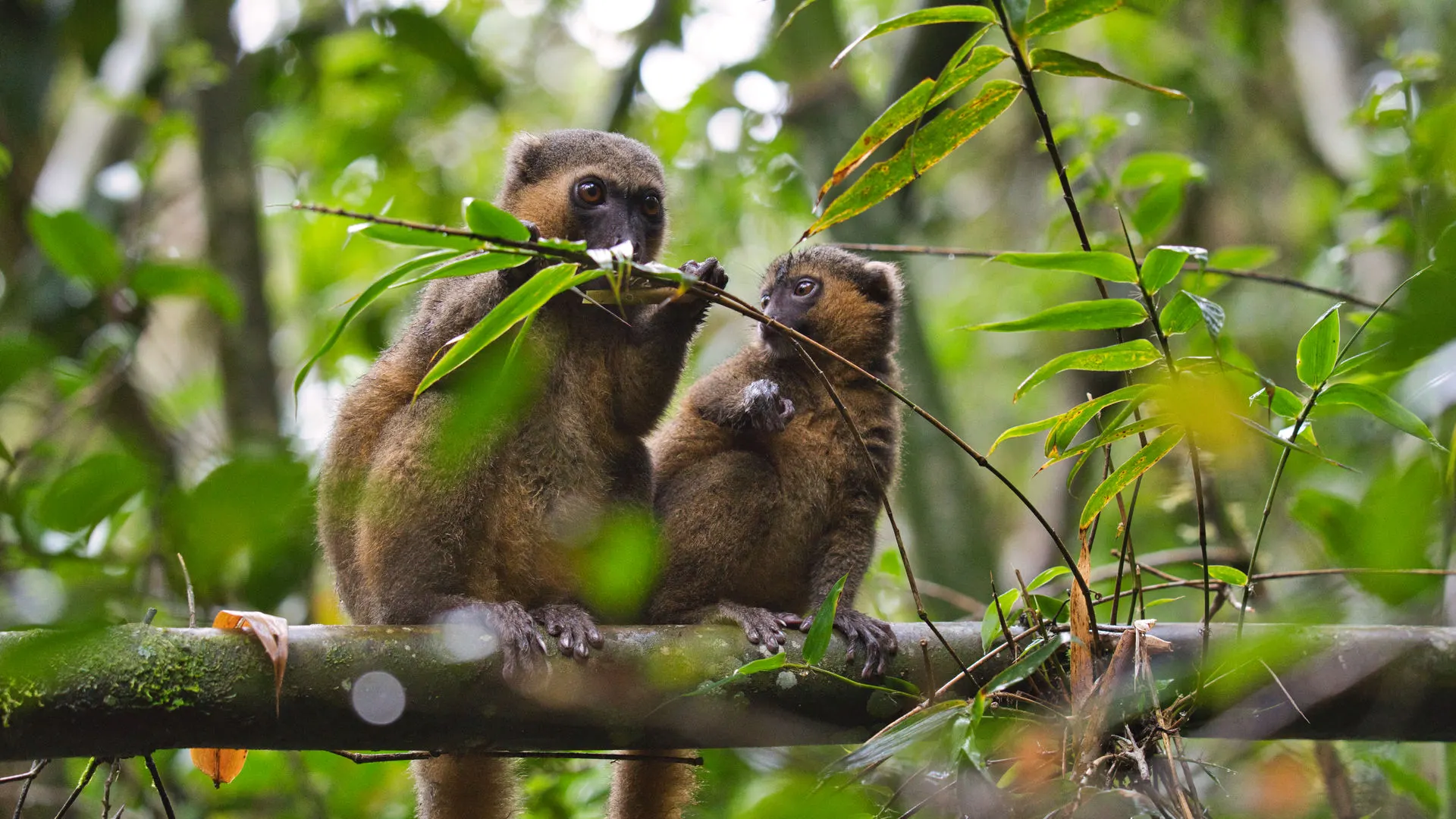
Mgahinga Gorilla National Park holds a single habituated family, the Nyakagezi group, and only eight permits are issued each day. Because the family's movements are unpredictable, the Uganda Wildlife Authority normally does not issue Mgahinga permits far in advance, and travellers can sometimes buy at the last minute. Treks are generally less demanding than Bwindi, typically three to four hours round trip through bamboo forest. The strategy here is flexibility. Mgahinga suits travellers already in Kisoro, those combining with golden monkeys, and anyone willing to accept short-notice availability in exchange for a quieter trail.
Step 4: Time Your Uganda Gorilla Trekking for Trails and Value
Timing determines both conditions and cost. The long dry season from June to September and the short dry season from December to February deliver firmer trails and easier trekking. June and July are the driest months and the easiest underfoot, but permits thin out earliest for those dates. The strategic play is either book six months ahead for June to September, or target April, May, or November to capture the permit rate while accepting wetter, muddier trails. For a gorilla safari Uganda on a budget, the green-season rate is the single biggest saving available.
Step 5: Train Specifically for Uganda Gorilla Trekking Terrain
Fitness preparation is worth taking seriously, and generic gym work is not enough. If your regular exercise does not include walking on uneven, inclined terrain with a loaded pack, two to three weeks of hill walking will make a measurable difference. Aim for three to five incline sessions per week, plus stair climbing and lower-body strength work. You do not need to be an athlete, but moderate fitness makes the experience far more enjoyable. The strategic minimum is being able to walk uphill for 45 to 60 minutes without stopping and carry a light daypack for several hours.
Step 6: Pack for Mud, Nettles, and Rain on Uganda Gorilla Trekking
Footwear is the single most consequential gear decision on any Uganda gorilla trekking trip. Ankle-supporting hiking boots with waterproofing and deep tread are essential, and they must be broken in before travel. Bring long-sleeved shirts and trousers to protect against insects and vegetation, gardening gloves for nettles, gaiters for mud, a rain jacket, and a dry bag for electronics. Carry two litres of water, energy snacks, and a packed lunch. Keep your daypack under 10 kilograms so it stays comfortable on steep sections.
Step 7: Decide Whether the Habituation Experience Suits You
The Uganda gorilla trekking habituation experience costs in 2026 and rises to from January 2027. It offers four hours with researchers and a semi-habituated family rather than the standard one hour, and it is available in Rushaga. The strategic question is whether you value time over cost. For travellers who have trekked once before and want a deeper encounter, habituation is the strongest upgrade in Uganda. For first-timers, the standard permit delivers the full one-hour experience and leaves budget for a second trek or a chimpanzee permit in Kibale.
Step 8: Choose an Operator Who Handles Permits Transparently
Operator selection matters because the permit is the one component you cannot fix later. Ask whether the permit is included in the quoted price and issued in your passport name, with written confirmation forwarded before you pay the balance. Ask whether the vehicle is private or shared, which lodge and room category are confirmed, and whether park fees are bundled. For Uganda safari packages, request a line-by-line breakdown rather than a single total, because headline rates frequently exclude the permit and the difference only appears at final invoicing.
Best Time to Visit for Uganda Gorilla Trekking Strategy
Determining the best time for Uganda safari trekking means balancing trail conditions with permit availability and price. The long dry season from June to September and the short dry season from December to February deliver firmer trails and easier hiking. The Uganda dry season safari window is also when permits sell out fastest, often three to six months ahead. The wetter months bring lower rates at Uganda safari lodges and the permit, but trails can be steep and slick.
Why Book with Eton Safaris for Uganda Gorilla Trekking
Why Book with Eton Safaris? Because Uganda gorilla trekking strategy depends on permit timing, sector selection, and honest briefing, and these cannot be improvised. Eton Safaris designs bespoke journeys beyond the standard Uganda safari template, securing permits in your name, matching you to the Bwindi sector or Mgahinga that suits your fitness, and confirming every inclusion in writing. Whether you seek a luxury Uganda safari, a budget Uganda safari, or a family Uganda safari, they tailor each Uganda safari itinerary with transparent costs and candid advice on which strategy fits your dates.