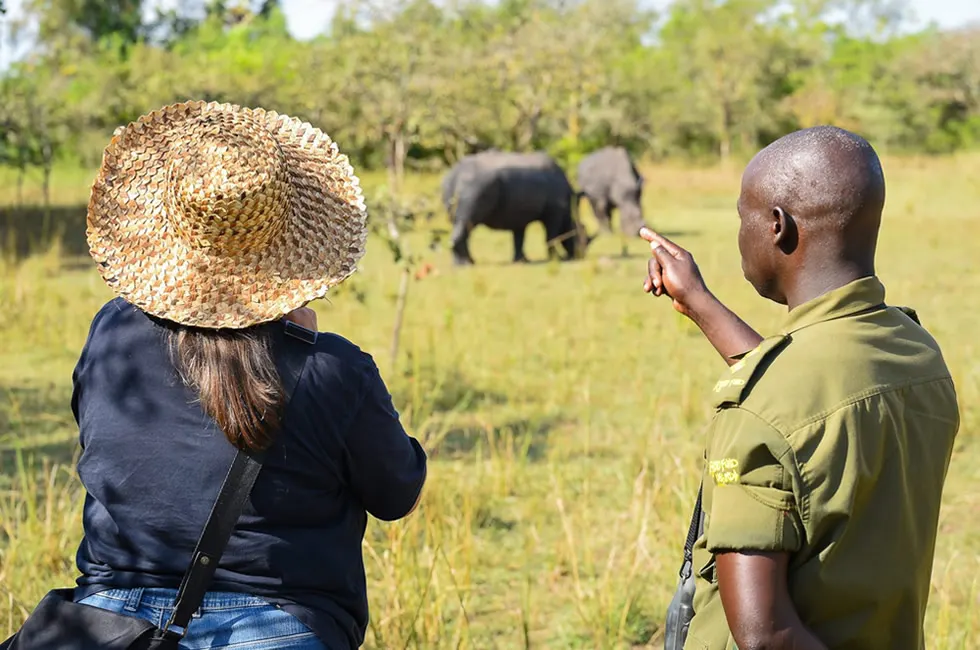
A Clear Outline of 8 Tips for a Uganda Safari with Kids
Discover a clear outline of 8 tips for a Uganda safari with kids. Learn how to pace the trip, choose family-friendly lodges, and prepare children for gorilla trekking. Explore Uganda safari packages and Uganda safari tours built for families. Book with Eton Safaris for an unforgettable Uganda safari trip that children will remember forever.
Uganda is a genuinely rewarding family safari destination, but it is not a scaled-down version of an adult trip. Gorilla trekking has a strict minimum age of fifteen, chimpanzee trekking requires thirteen, and long drives between parks can test even patient children. The families who enjoy Uganda most are those who plan around these realities rather than against them. That means choosing parks with shorter transfers, building in rest days, selecting lodges with pools and interconnecting rooms, and treating the journey itself as part of the adventure. This guide sets out eight practical tips covering age rules, pacing, lodges, health, packing, and activities that genuinely work for children. Whether you book Uganda safari tours or a bespoke family Uganda safari, these insights will sharpen your planning.
Popular Uganda Safari Packages
A Clear Outline of 8 Tips for a Uganda Safari with Kids
1. Check Age Limits Before Booking Uganda Gorilla Safari
Age rules are non-negotiable and shape your entire itinerary. The Uganda Wildlife Authority sets a minimum of fifteen years for gorilla trekking Uganda and thirteen for chimpanzee trekking, with strict enforcement at the trailhead. Families with younger children should build itineraries around parks and activities without age restrictions, such as Lake Mburo, Queen Elizabeth, and Murchison Falls. When booking Uganda safari packages, confirm your children's ages against every activity before paying a deposit, as rebooking permits after arrival is rarely possible.
2. Pace the Trip Around Shorter Drives on Uganda Safari Tours
Uganda's road transfers are the most common source of family stress. Kampala to Bwindi takes eight to ten hours, while Kibale to Queen Elizabeth takes three. Families should prioritise parks closer together or use light aircraft between key legs. A sensible Uganda safari with children stays within the Lake Mburo, Queen Elizabeth, and Kibale corridor rather than attempting everything. When booking Uganda safari tours, insist on private 4x4 vehicles with pop-up roofs so children have space and visibility, and confirm realistic daily drive times in writing.
3. Choose Family-Friendly Lodges on Uganda Safari Packages
Lodge choice matters more with children than without. Look for properties with swimming pools, interconnecting or family rooms, flexible meal times, and gardens where children can move safely between activities. Properties around Lake Mburo and Queen Elizabeth consistently deliver on these points. When booking Uganda safari lodges, ask directly about cots, high chairs, children's menus, and whether babysitting can be arranged. Many Uganda safari packages list family tents but do not guarantee availability, so confirm room configurations before payment.
4. Prepare Children for Gorilla Trekking Realities on Uganda Gorilla Safari
If your children meet the age requirement, prepare them properly for Uganda gorilla safari conditions. Treks can last from one to six hours through dense vegetation at altitude, and the one-hour rule with the gorillas is strict. Build fitness in the weeks before travel, explain that silence is required near the animals, and set expectations about mud and nettles. When booking Uganda safari tours, ask whether porters can be hired for younger trekkers, as this single decision often determines whether the day is enjoyed or endured.
5. Manage Health and Malaria Risk on Uganda Wildlife Safari
Uganda sits in a malaria-endemic zone, so consult a travel doctor about prophylaxis suitable for children well in advance. Pack insect repellent, long sleeves for evenings, and a small medical kit with plasters, rehydration sachets, and antihistamines. Higher-altitude parks such as Bwindi and Lake Mburo carry lower malaria risk than low-lying areas. When booking a family Uganda safari, confirm whether your Uganda safari lodges provide mosquito nets and whether staff can arrange medical support quickly if needed.
6. Build Rest Days into Every Uganda Safari Itinerary
Over-scheduling is the most common family safari mistake. Children need downtime, and so do adults. Build at least one rest day into every four days of activity, using it for swimming, crafts, or simply staying in camp. Many lodges offer guided nature walks and short forest trails ideal for younger children. When booking Uganda safari packages, ask your operator to leave afternoons free rather than filling every hour with game drives, and confirm that the itinerary can flex if a child needs a slower day.
7. Pack Practical Clothing for Uganda Safari Trips
Children need different packing priorities. Bring two pairs of walking shoes so one dries while the other is worn, and pack for layering since mornings at altitude are cold while afternoons are warm. Include a wide-brim hat, rain jackets, quick-dry trousers, and long socks for trekking. When considering what to wear on safari in Uganda, avoid bright colours and choose neutral tones. When booking Uganda safari tours, ask whether your lodge offers laundry, which dramatically reduces luggage for a family of four.
8. Choose Activities That Genuinely Engage Children on Uganda Safaris
Not every safari activity suits children. Lake Mburo's walking safaris and boat cruises are ideal, as are Queen Elizabeth's Kazinga Channel cruises and the tree-climbing lions of Ishasha. Cultural visits to Batwa communities and drumming workshops in Kampala capture attention in ways that long game drives do not. When booking Uganda safari packages, ask operators which activities they routinely adapt for children and whether junior ranger programmes exist. For a luxury Uganda safari, private guides can tailor the pace entirely around your family's interests.
Best Time to Visit Uganda Safaris for Families
Determining the best time for Uganda safari with children means favouring the dry seasons from December to February and June to September, when roads are firm, trails are drier, and transfers are shorter in practice. The Uganda dry season safari window also reduces mosquito activity. The wetter months bring lower rates at Uganda safari lodges but longer drives and more demanding trekking conditions. Families booking Uganda safari holidays should book six months ahead, as family rooms sell out first.
Why Book with Eton Safaris for Uganda Safaris
Why Book with Eton Safaris? Because family travel in Uganda depends entirely on pacing, age compliance, and lodge suitability, all of which require expert planning. Eton Safaris designs bespoke journeys beyond the standard Uganda safari template, sequencing parks around your children's ages rather than a checklist. Whether you seek a luxury Uganda safari, a budget Uganda safari, or a family Uganda safari, they tailor each Uganda safari itinerary with transparent inclusions and realistic drive times.
Navigating Transfers for Uganda Safaris with Children
Logistics determine whether a family safari succeeds. Entebbe to Lake Mburo takes three and a half hours, Lake Mburo to Queen Elizabeth four hours, and Queen Elizabeth to Bwindi five hours. When booking Uganda safari packages, insist on private 4x4 transfers rather than shared shuttles, and consider Uganda flying safari options between Entebbe, Kasese, and Kihihi to eliminate the longest road days. For Uganda self drive safari enquiries, note that long-distance driving with children is rarely advisable.
Choosing the Right Uganda Safari Package for Families
When searching for Uganda safaris with children, look for Uganda safari packages that specify family rooms, age-appropriate activities, and realistic daily distances. Avoid generic safari Uganda itineraries that compress gorillas, chimpanzees, and savannah into five rushed days. If booking Uganda safari tours, ask whether permits for older children are secured in advance and whether guides have experience with young travellers.