10 Tips When Selecting Packing for Uganda Gorilla Trekking
Discover 10 essential packing tips for Uganda gorilla trekking. Learn what to wear, what to carry, and what to leave behind on your Uganda safari. Explore Uganda safari packages, Uganda safari tours, and expert packing guidance. Book with Eton Safaris for an unforgettable Uganda safari trip.
Packing correctly for gorilla trekking in Uganda determines whether your trek is a comfortable adventure or a gruelling slog. Bwindi Impenetrable Forest sits at 1,160 to 2,607 metres, receives significant rainfall year-round, and grows stinging nettles and thorny undergrowth across its trails. The wrong footwear leads to slips, the wrong trousers lead to stings, and the wrong bag leads to a sore back. Yet most packing mistakes are entirely avoidable with a little preparation. This guide sets out ten practical tips covering footwear, clothing, gear, and documentation, drawn from the realities of trekking at altitude in dense rainforest. Whether you book Uganda safari packages or a bespoke Uganda gorilla safari, these insights will sharpen your preparation.
Popular Uganda Safari Packages
10 Tips When Selecting Packing for Uganda Gorilla Trekking
1. Invest in Waterproof Hiking Boots for Uganda Gorilla Trekking
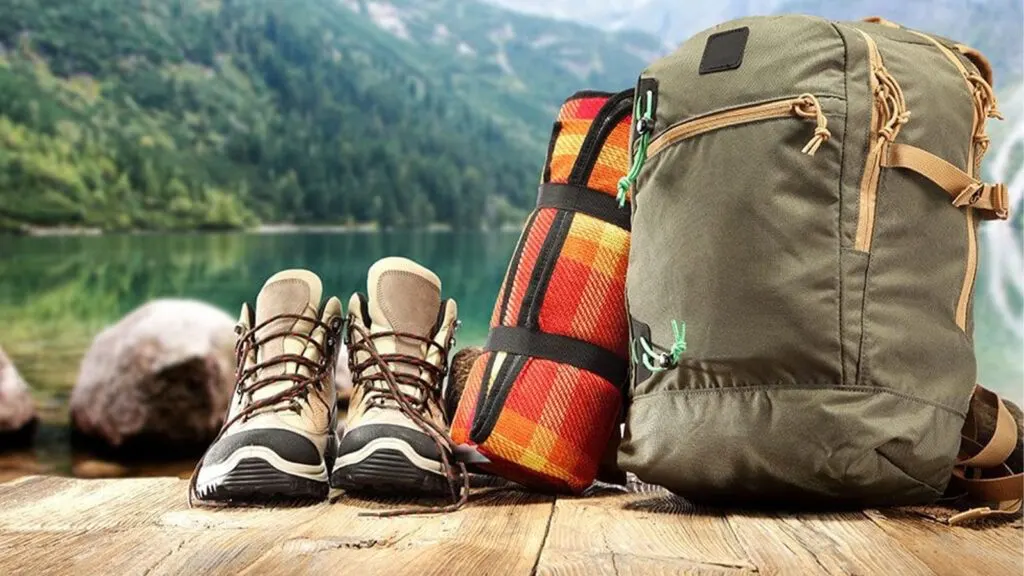
Boots are the single most important purchase for gorilla trekking Uganda. Trails become muddy and slick even in the dry season, and ankle support protects against roots and uneven ground. Choose waterproof boots with deep tread, break them in before travel, and never wear them for the first time on trek day. Avoid trainers, sandals, or fashion hiking shoes. When booking Uganda safari packages, ask whether your lodge loans rubber boots, as some do for guests whose luggage allowance is limited.
2. Pack Gardening Gloves for Nettles on Uganda Gorilla Safari
Stinging nettles line many Bwindi trails, and grabbing one bare-handed is genuinely painful. Gardening gloves are the simplest solution, lightweight and inexpensive. Many trekkers also use them to grip branches and push through dense vegetation. Buy a pair before travel, as they are not reliably available locally. When booking Uganda gorilla safari packages, confirm whether gloves are included in the lodge's loan gear, but pack your own regardless.
3. Wear Long Trousers and Gaiters on Uganda Wildlife Safari Treks
Long trousers protect against nettles, thorns, and insects, and should be tucked into socks or gaiters to prevent safari ants from climbing. Gaiters also keep mud out of boots and add protection to shins. Avoid shorts entirely. Lightweight quick-dry trousers work better than heavy hiking pants in humid forest. When considering what to wear on safari in Uganda, remember that darkness matters less than coverage, though neutral colours remain best for wildlife viewing.
4. Layer Up for Cold Mornings on Uganda Safari Tours
Many trekkers forget that Bwindi mornings are genuinely cold. Trailheads sit above 1,500 metres and pre-dawn temperatures can drop below 10 degrees Celsius. Wear a moisture-wicking base layer, a warm fleece, and a light rain shell. Strip layers as you climb and the forest warms. Pack a lightweight beanie and thin gloves for hands. When booking Uganda safari tours, confirm whether your lodge provides hot water bottles and extra blankets, as most quality properties do.
5. Carry a Rain Jacket on Every Uganda Safari Trip
Rain is possible in Bwindi on any day of the year, including the dry season. A lightweight packable rain shell beats a poncho, which snags on branches, and beats an umbrella, which is impractical in dense forest. Choose a jacket that fits over your daypack or pack a separate rain cover. When booking Uganda safari packages, ask whether your lodge lends rain gear for guests who arrive without it.
6. Choose a Small Daypack for Uganda Gorilla Trekking
Your daypack should hold two litres of water, snacks, a rain jacket, camera, and sunscreen, with little room for anything else. Porters carry larger packs if needed. Avoid large backpacks that snag on vegetation or weigh you down. Choose one with a chest strap for stability on steep sections. When booking Uganda safari trips, confirm whether porters can be hired, as they will help with heavier items.
7. Prepare Your Camera for Uganda Birding Safari Conditions
Forest photography presents real challenges: low light, high humidity, and dense vegetation. Bring a camera with a fast lens if possible, plus silica gel packets to absorb moisture and a dry bag for sudden downpours. Note that flash photography is prohibited around gorillas. When booking Uganda birding safari or primate itineraries, ask your lodge whether charging facilities are available, as Bwindi power can be intermittent.
8. Pack Documentation for Uganda Safari Permits
Your gorilla permit, passport, and travel insurance details should be carried in a waterproof pouch and kept on your person. Rangers check permits at the trailhead, and lodges may request copies for their records. Print two sets of copies as backup. When booking Uganda safari packages, confirm whether your operator provides digital copies of all permits well before departure, so you can verify names and dates in advance.
9. Hire a Porter and Pack Lighter on Uganda Gorilla Trekking
Porters carry your daypack, steady you on steep sections, and know where the slippery roots hide. The cost is modest, usually per porter, and the income supports families around Bwindi. This allows you to pack lighter and trek further without exhaustion. When booking Uganda gorilla safari packages, ask whether porter fees are included or paid directly on the day.
10. Leave the Wrong Items Behind on Uganda Safari Tours
Some items cause problems rather than solve them. Bright colours and camouflage clothing are inappropriate. Drones require permits and are banned in parks. Heavy suitcases are impractical on light aircraft. Plastic bags are restricted. Leave excess luggage at your Entebbe hotel. When booking Uganda safari tours, confirm your lodge's laundry service, as this lets you pack three days of clothing for a ten-day trip.
Best Time to Visit Uganda Safaris for Trekking Conditions
Determining the best time for Uganda safari trekking means favouring the dry seasons from December to February and June to September. Trails are firmer, gear dries faster, and packing becomes simpler. The Uganda dry season safari window reduces the need for extreme mud protection. The wet months bring lower rates at Uganda safari lodges but demand more robust gear. Book Uganda safari holidays six months ahead for peak season.
Why Book with Eton Safaris for Uganda Safaris
Why Book with Eton Safaris? Because trekking preparation benefits from expert guidance on gear, lodge facilities, and what is genuinely essential. Eton Safaris designs bespoke journeys beyond the standard Uganda safari template, advising on packing tailored to your route and season. Whether you seek a luxury Uganda safari, a budget Uganda safari, or a family Uganda safari, they tailor each Uganda safari itinerary with transparent inclusions.
Navigating Transfers for Uganda Safaris and Trekking Gear
Logistics determine what you can realistically carry. Entebbe to Bwindi takes eight to ten hours by road or one hour by light aircraft. Light aircraft impose strict luggage limits of 15 kilograms in soft bags. When booking Uganda safari packages, confirm luggage allowances in writing and plan to leave hard suitcases at your Entebbe hotel. For Uganda flying safari itineraries, packing discipline becomes essential.
Choosing the Right Uganda Safari Package for Trekking
When searching for Uganda safaris focused on gorillas, look for Uganda safari packages that specify permit inclusion, porter arrangements, and lodge equipment loans. Avoid generic safari Uganda itineraries that leave gear decisions entirely to you. If booking Uganda safari tours, ask whether rental gear is available at the trailhead.